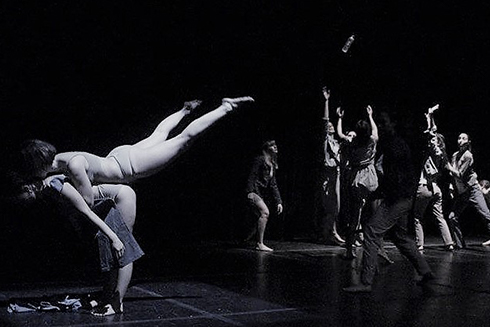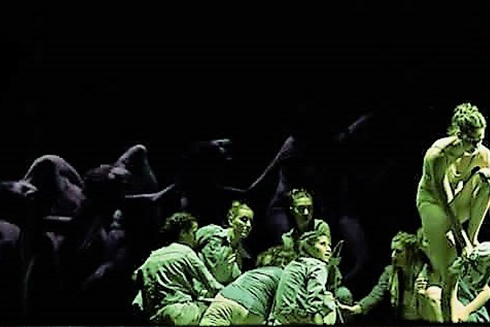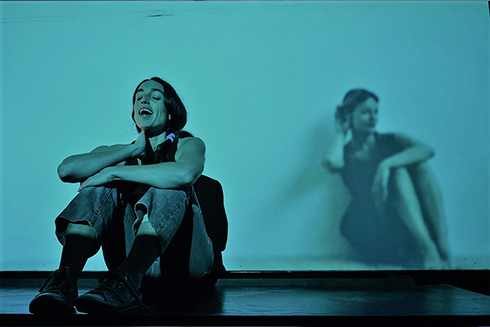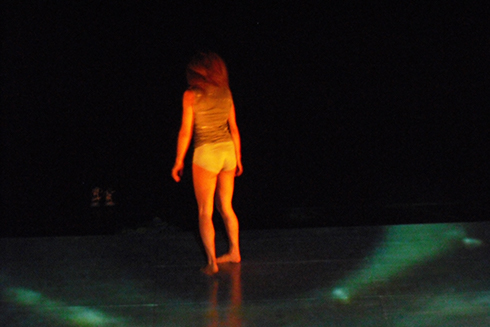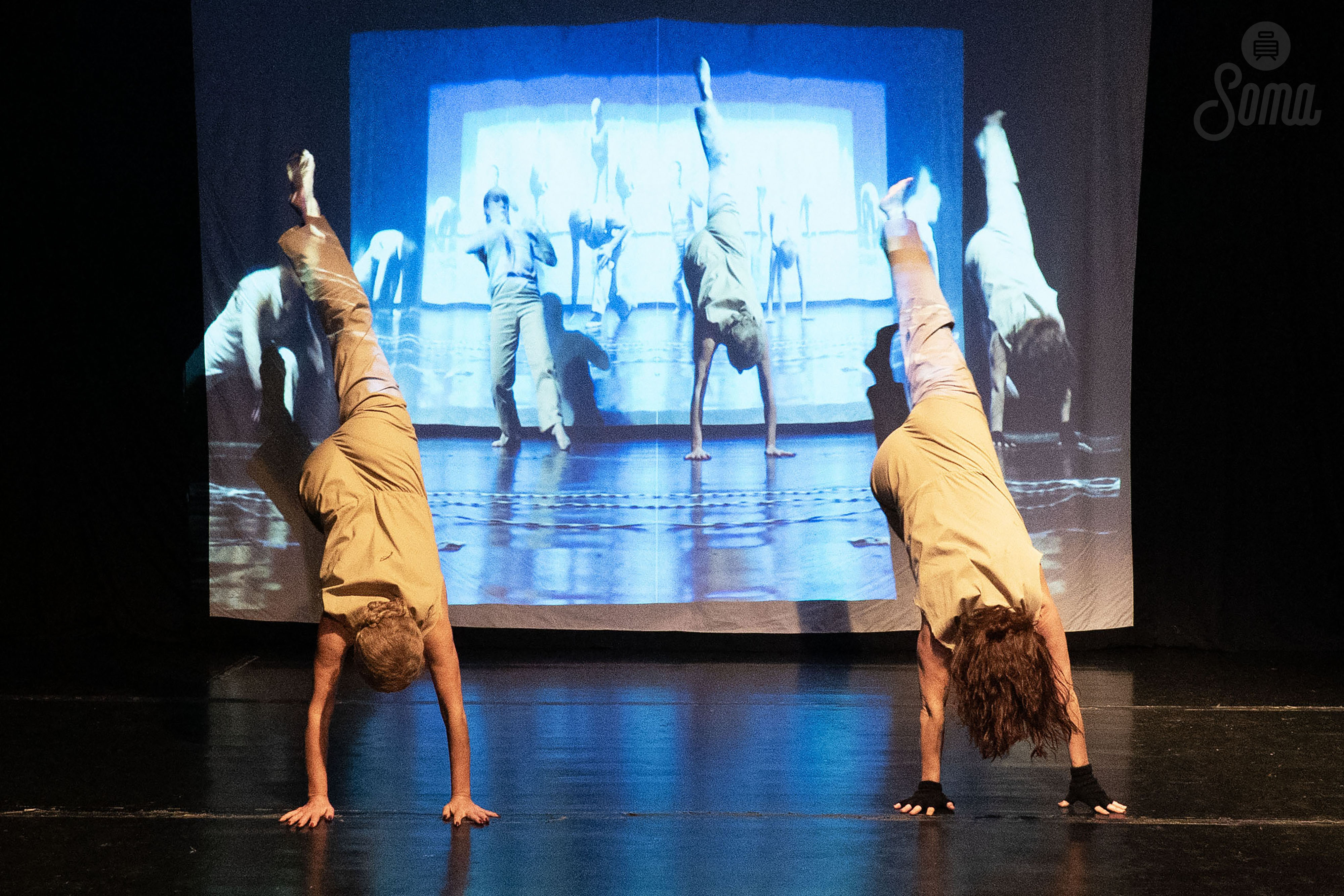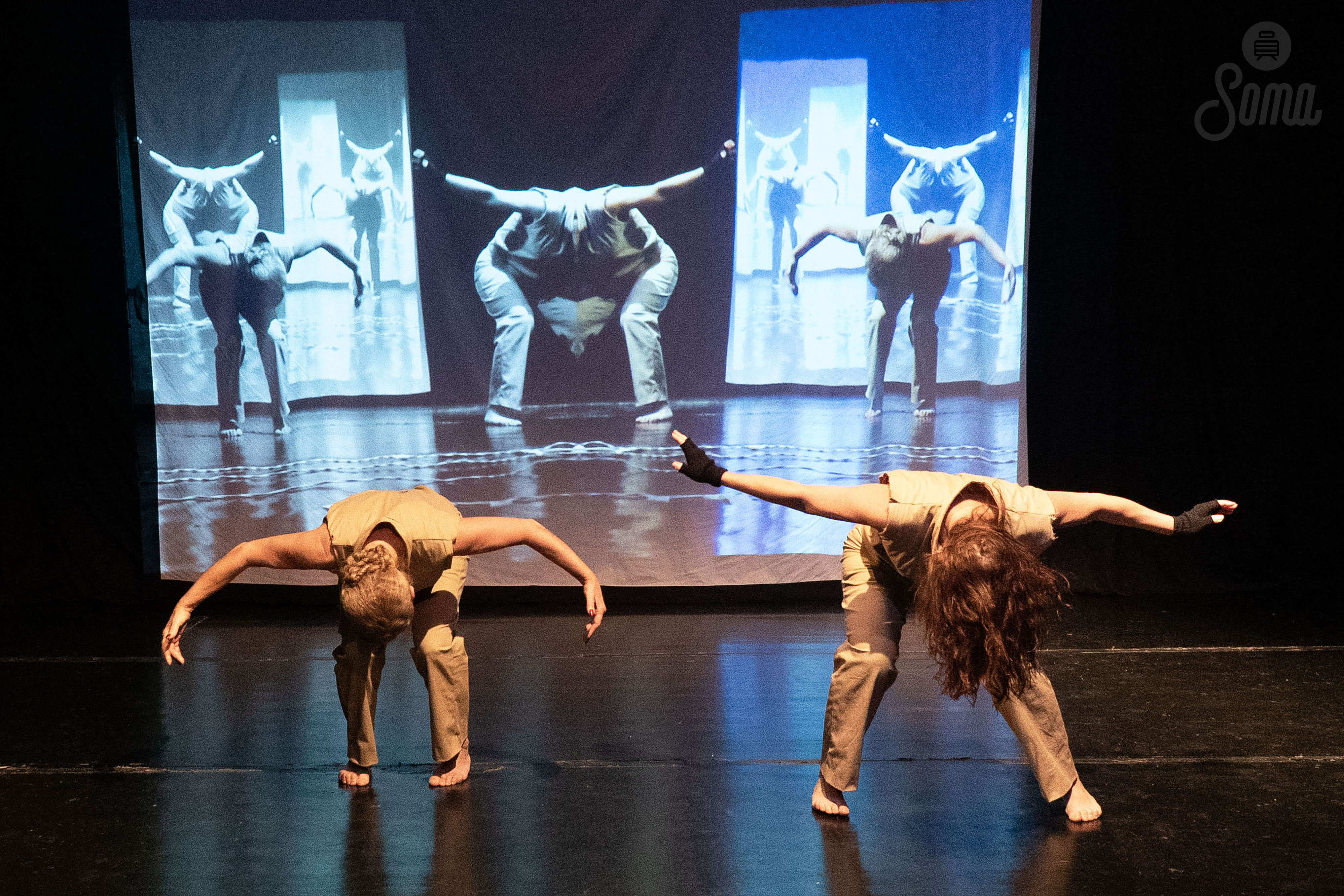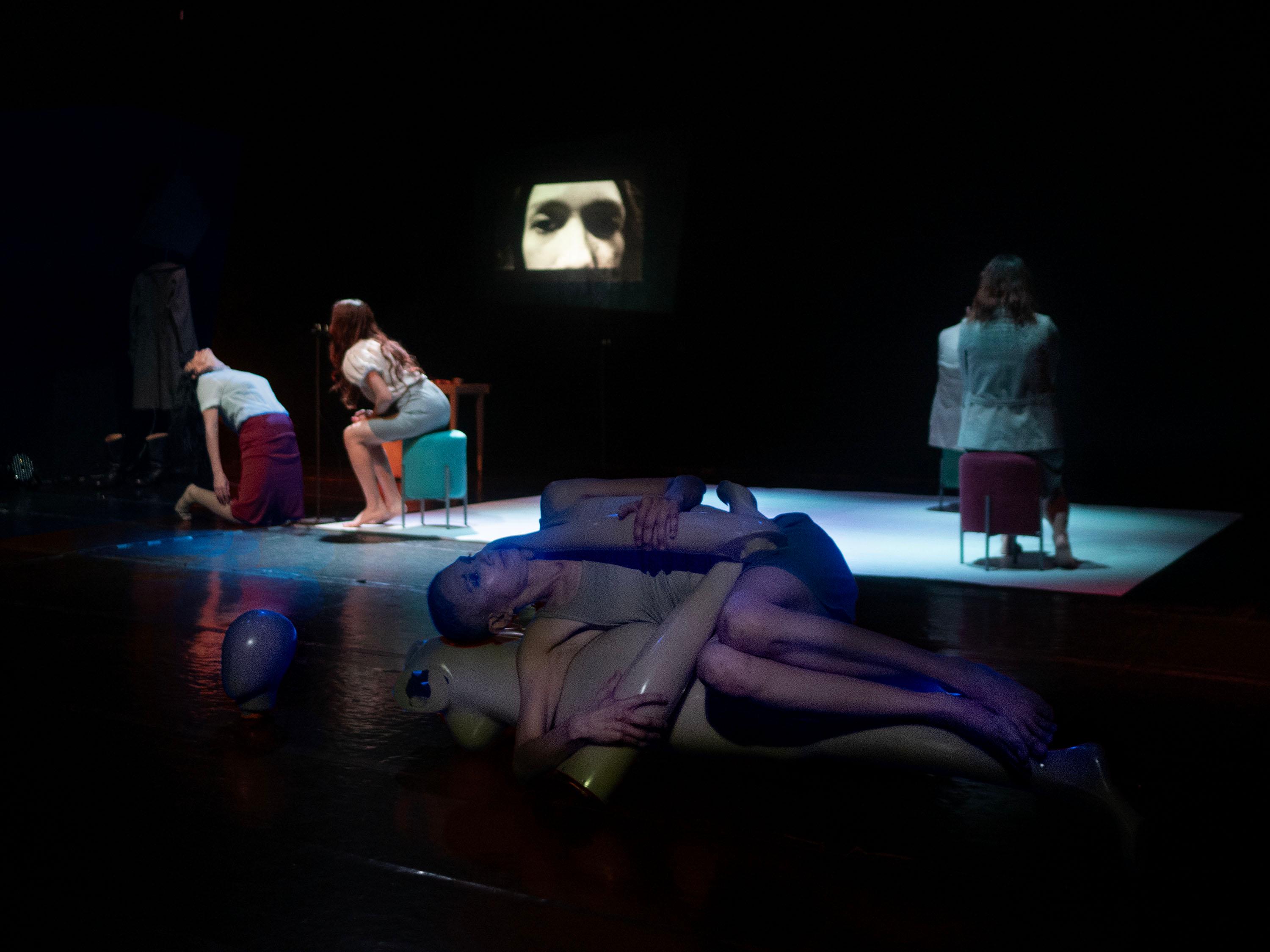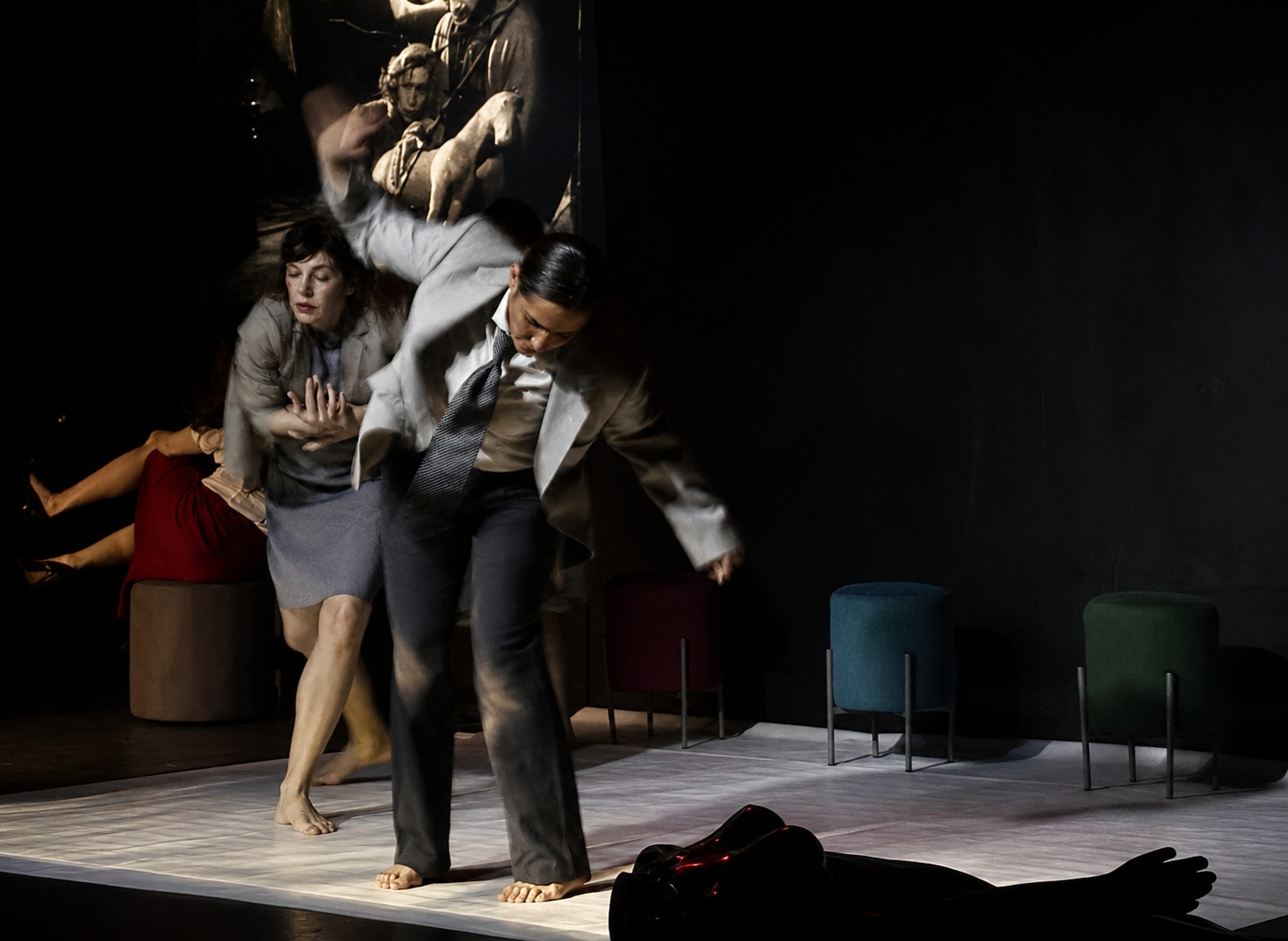
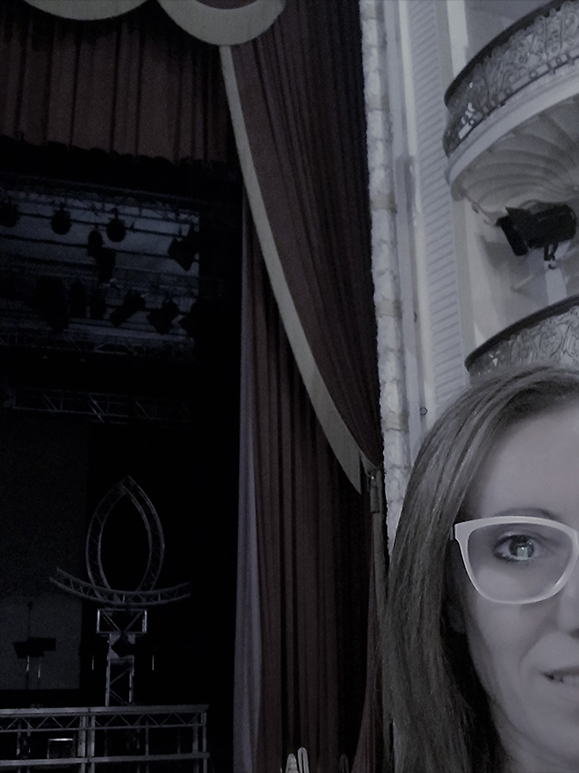
Bailarina, coreógrafa, investigadora, gestora cultural y Licenciada en Psicología (UBA). Su trayectoria destaca por el cruce entre la danza contemporánea, la tecnología telemática, la gestión de políticas culturales y la inclusión social.
Formada en Ballet, Danza Contemporánea, Teatro Físico y técnicas somáticas. Realizó especializaciones en la Escuela Vaganova (Rusia), Teatro Bolshoi y Teatro Mariinsky (San Petersburgo). Se especializó en Release, Contact, improvisación y composición en el American Dance Festival (Duke University, EEUU) y en Berlín.
Pionera en Argentina en la investigación de obras simultáneas telemáticas conectadas por internet, realizando en 2012 la primera experiencia del país con IEES Buenos Aires - Barcelona.
American Dance Festival (ADF), Congreso Internacional de Danza de UNESCO (Grecia), FIBA, Ciudanza, Festival de Danza Contemporánea de CABA, Festival Nuevas Tendencias (Mendoza), Festival Pequeño Formato (Mar del Plata), Fiesta Nacional del Teatro (INT), FIDIC, BAE, entre otros.
Ha tenido un rol activo en la organización institucional y la legislación de las artes escénicas en Argentina, participando activamente en el impulso de marcos legales como la Ley de Teatro de la Provincia de Buenos Aires, la Ordenanza de Fomento de las Artes Escénicas del Partido de San Martín y la Ley Nacional de Danza.
Jurado en la Fiesta Nacional del Teatro Región Prov. de Buenos Aires (2017 y 2018). Jurado de Tesis en la UNSAM (2019), tutora de Tesis en el Departamento de Artes del Movimiento de la UNA (Cátedra Gabriela Prado) y jurado de los Premios UNA (2019).
Dirige el programa Danza Solidaria de arte y desarrollo social (Concurso Gobierno de la Ciudad de Buenos Aires), implementado en hogares de niños, ancianos, centros de adicciones y hospitales públicos. Lideró el proyecto DES DEL BOR DE e iniciativas artísticas para personas con capacidades diferentes, declaradas de interés cultural por el Gobierno de la Ciudad y el Ministerio de Cultura de la Nación.
Fue docente en el Teatro 25 de Mayo, Centro Cultural San Martín, docente invitada en la Cátedra Composición VII de la UNA y diversos estudios privados. Brinda seminarios de especialización en composición, técnicas contemporáneas y el cruce entre arte y tecnología.
Autora de artículos presentados en congresos internacionales (como el 18° Congreso CID UNESCO en Grecia) y editados en revistas digitales: "IEES Relaciones virtuales intersubjetivas", "El artista independiente en Argentina", "ANS danza en el paradigma de la complejidad", "El entramado social en las fibras de la danza contemporánea", entre otros.
Seleccioná una obra para ver su ficha completa, imágenes y detalles.

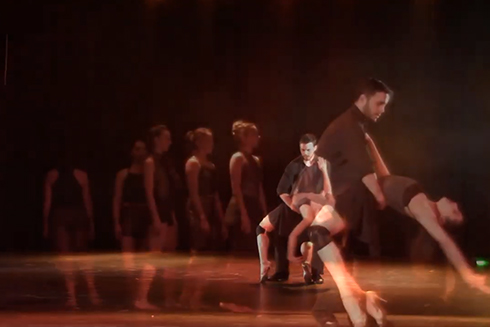
Tercera producción de la compañía binacional Austriaca-Argentina IN TANGO TANZ, con música en vivo e imagen procesada en escena.
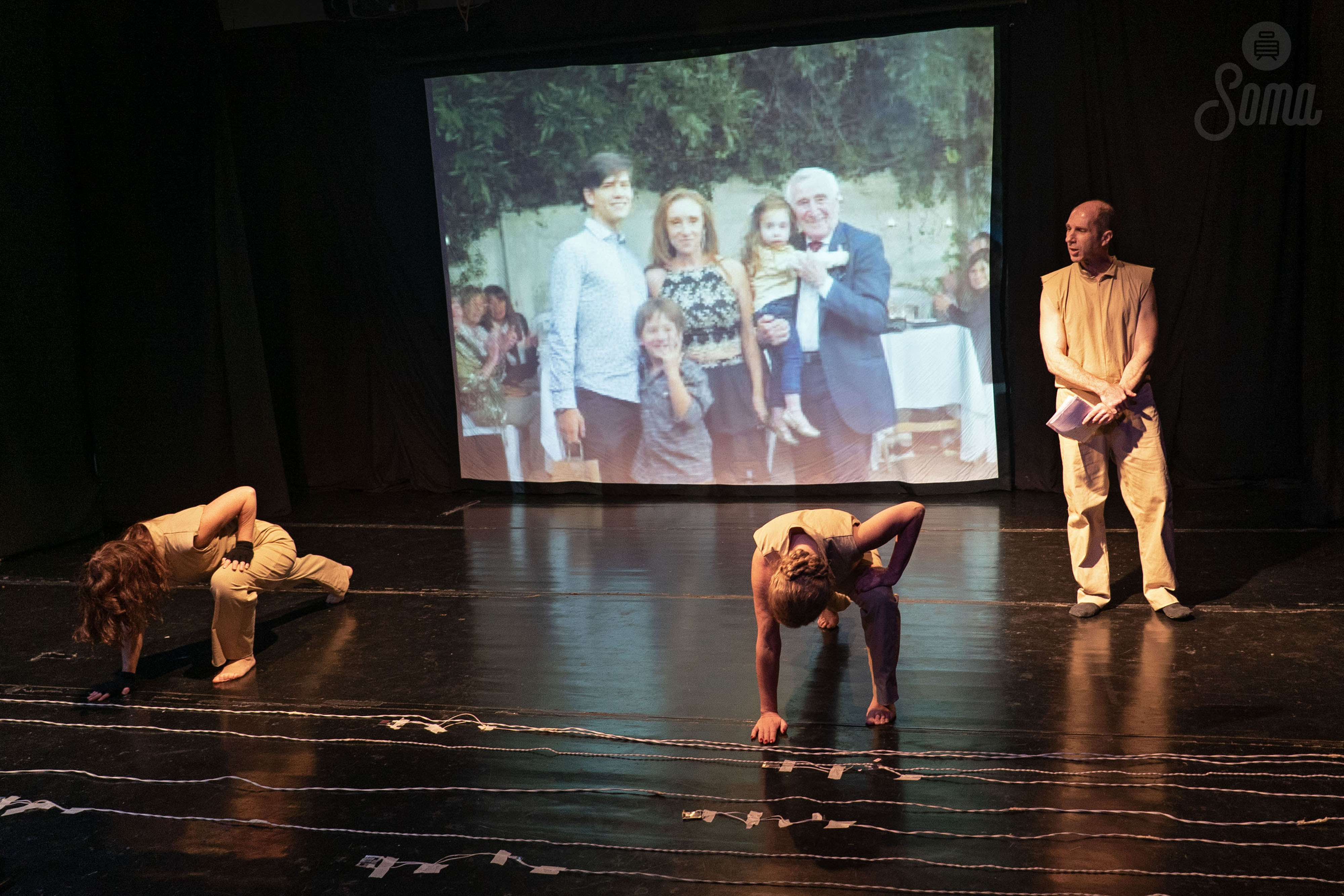
Performance-instalación que revisita la danza emergente de los años noventa junto a Gabily Anadón y Fabián Kesler.
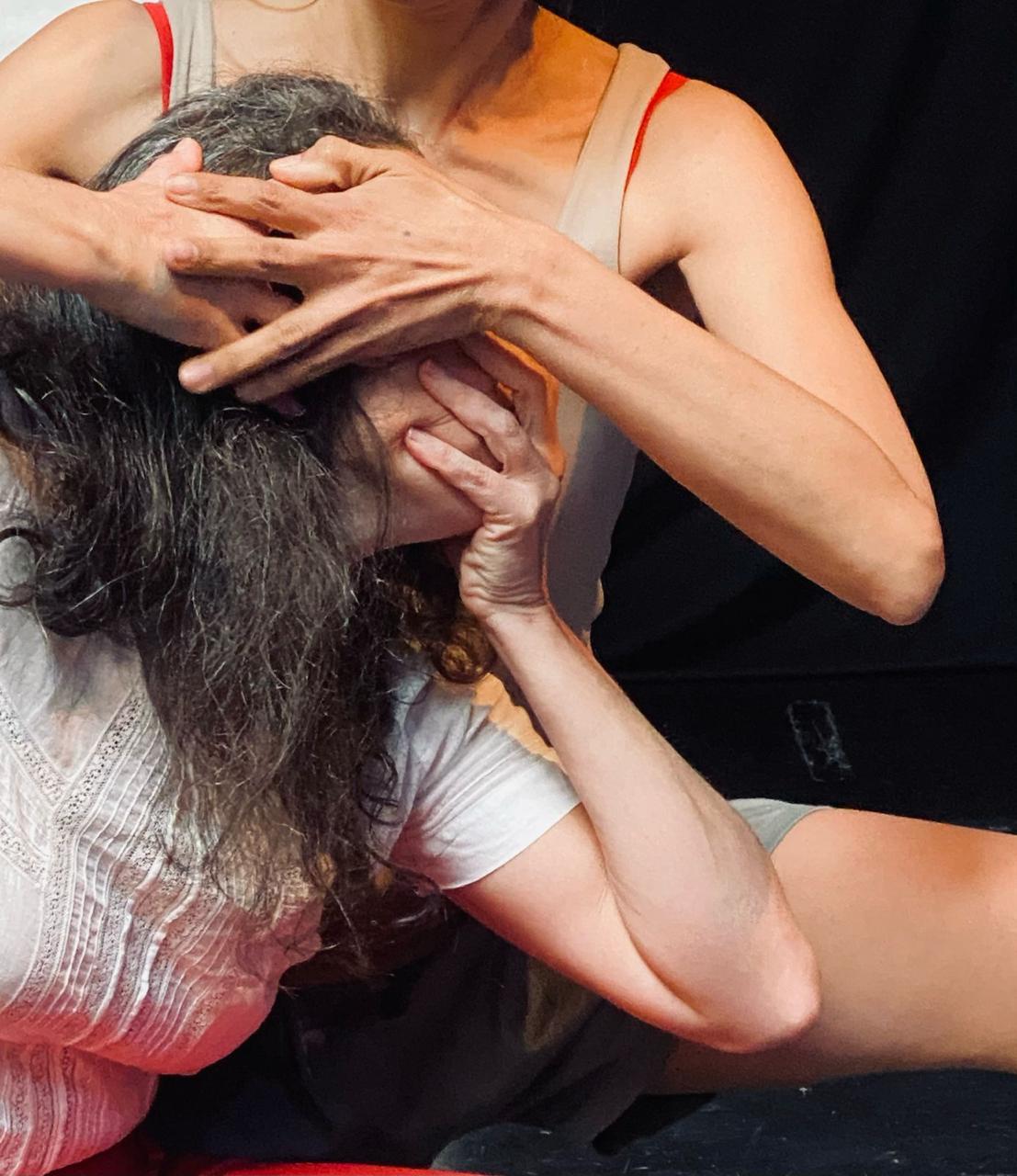
Pieza coreográfica basada en "A Puertas Cerradas" de Sartre. Obra Ganadora del Premio Argentores 2025.
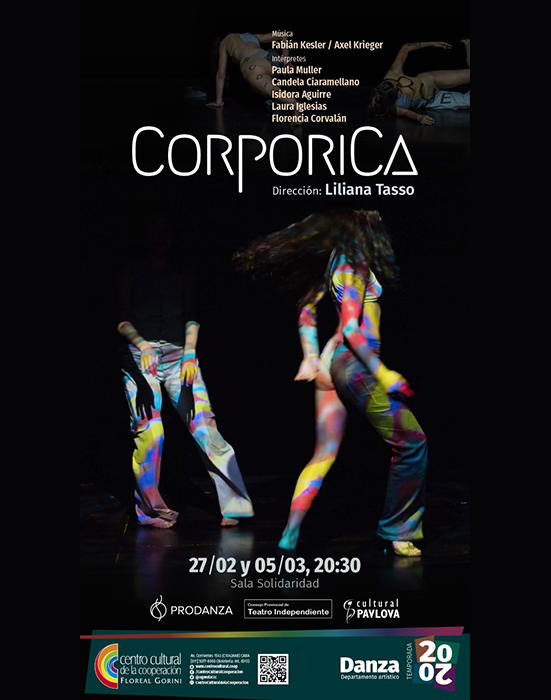
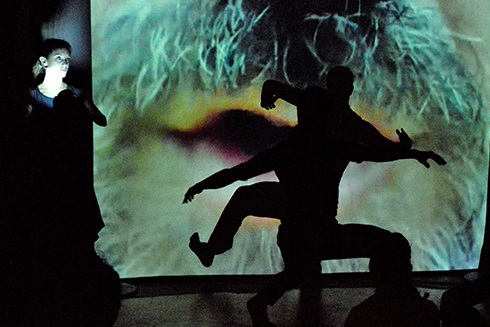
Danza y multimedia sobre el cuerpo, lo femenino, la sexualidad y el poder.
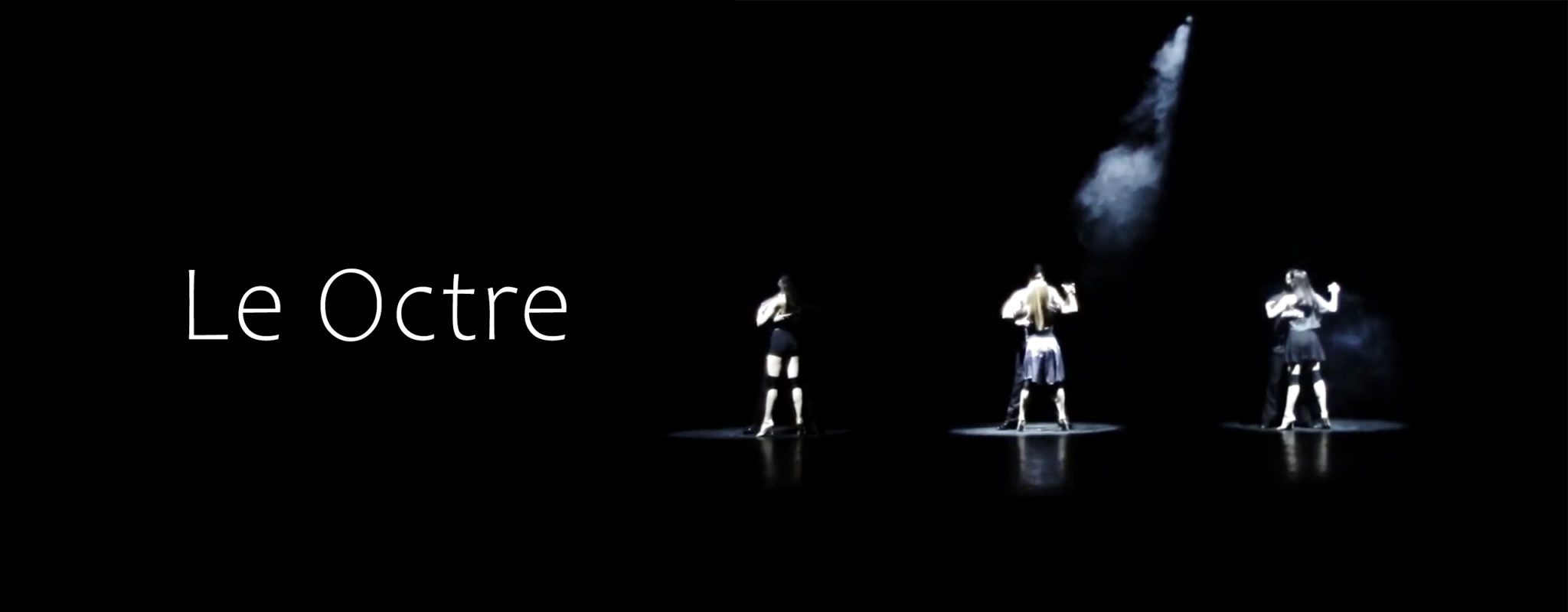
Deconstrucción del tango mediante técnicas contemporáneas y música en vivo.
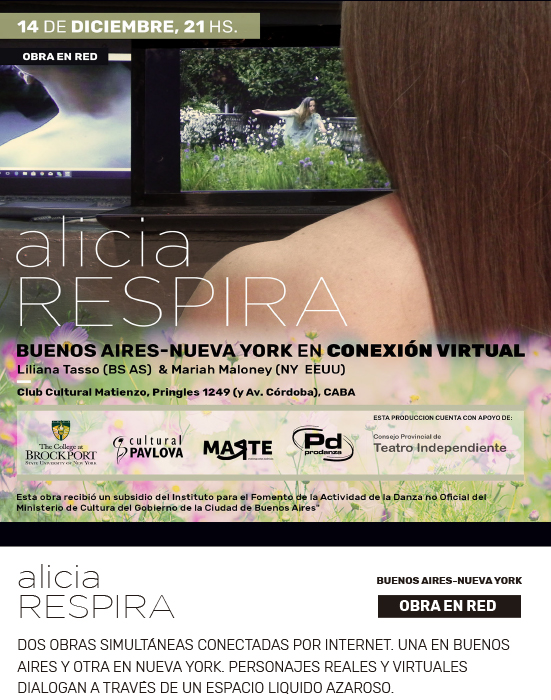
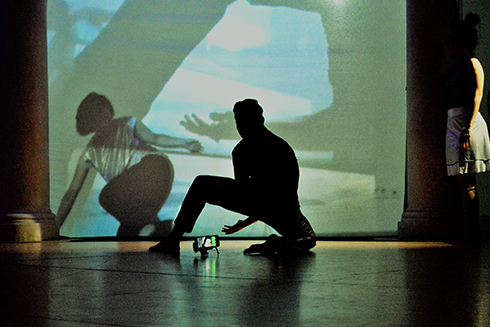
Obra multiespacial telemática en conexión virtual Buenos Aires – Nueva York.
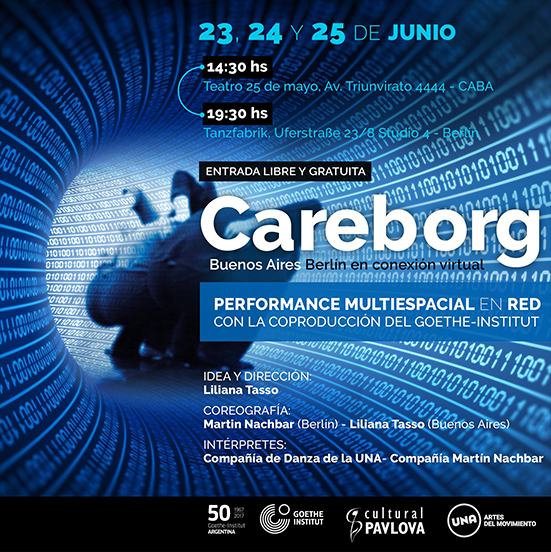
Performance multiespacial en red simultánea Buenos Aires – Berlín.
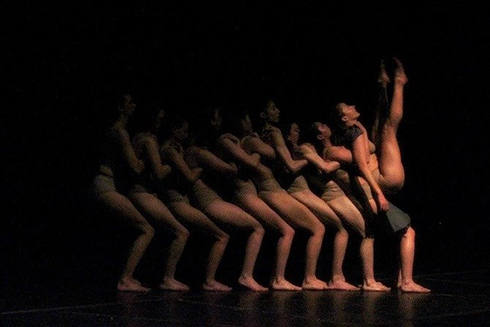
Proyecto colaborativo con la UNSAM sobre el cuerpo como instrumento musical.
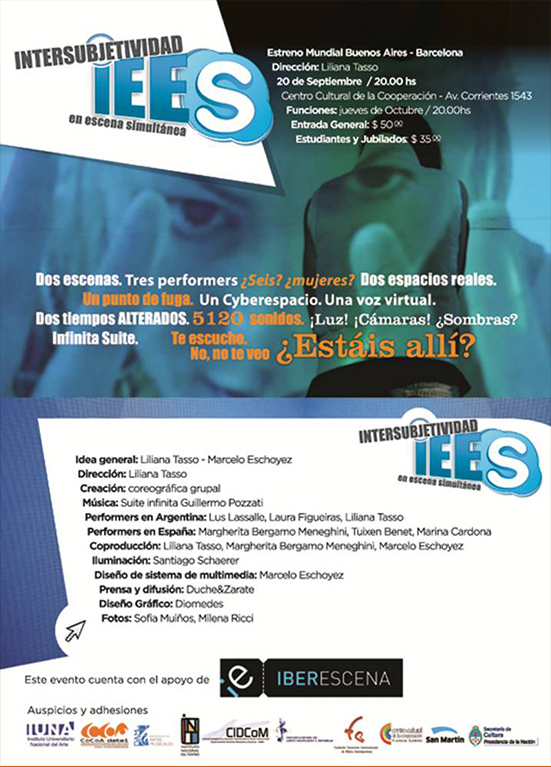
Intersubjetividad en escena simultánea Buenos Aires – Barcelona.
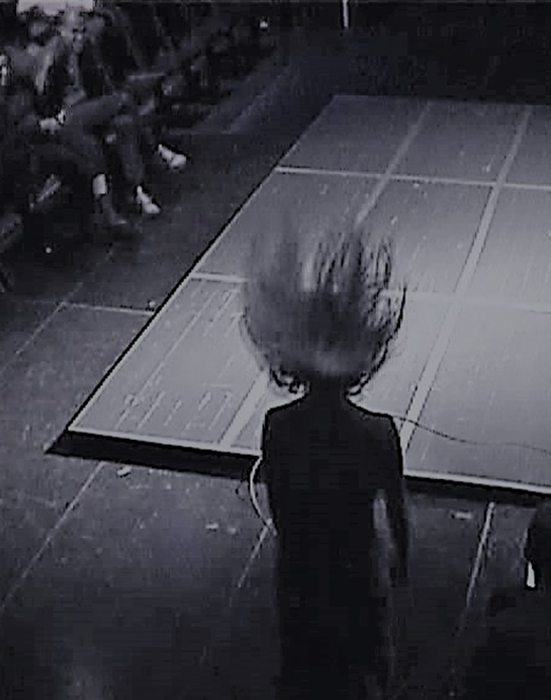
Indagación de escena simultánea y procesamiento sonoro en vivo.

Investigación sobre la improvisación y la interacción situacional con el público.
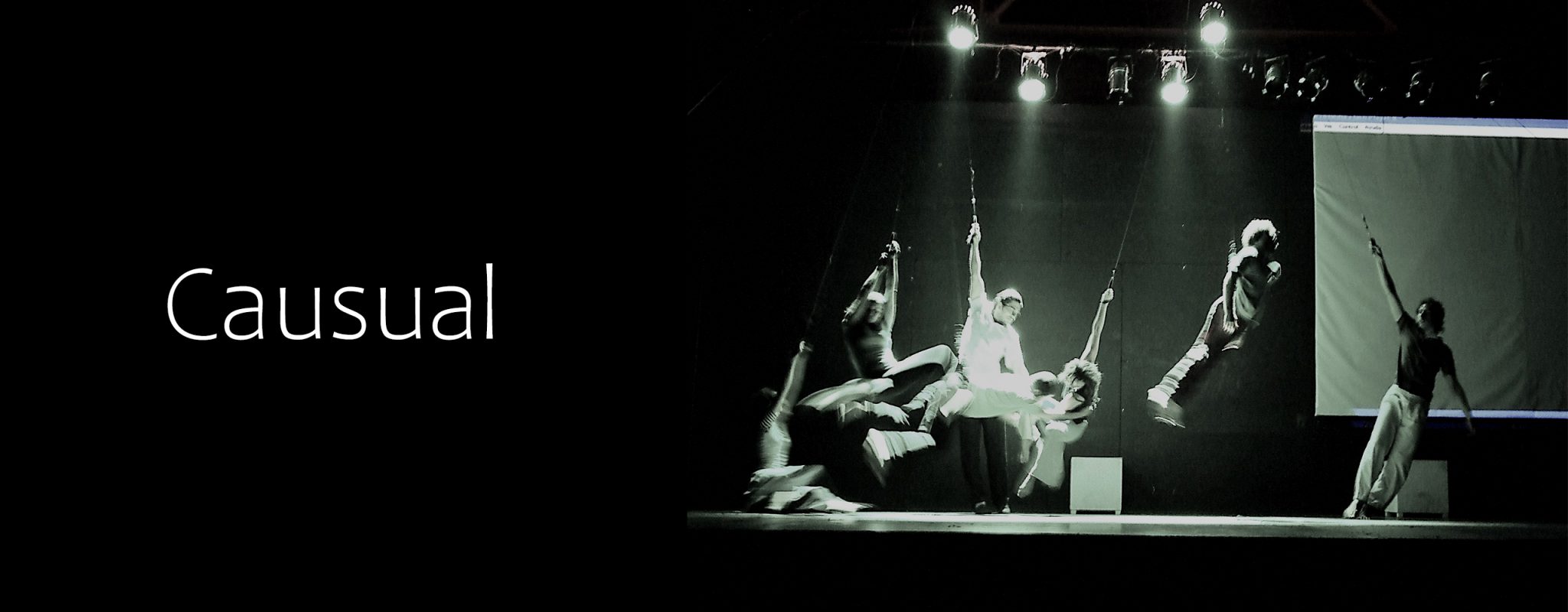
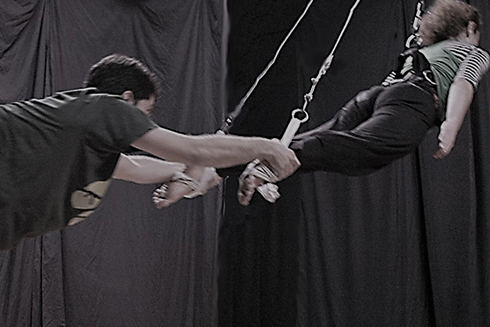
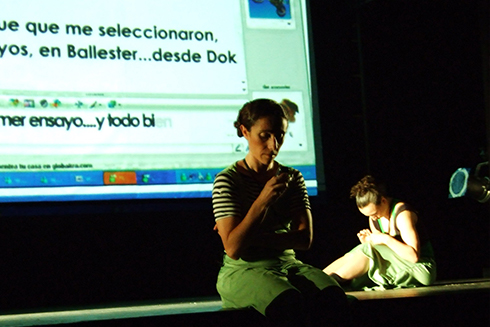
Danza multimedia con chats en vivo y dispositivos mecánicos de poleas.
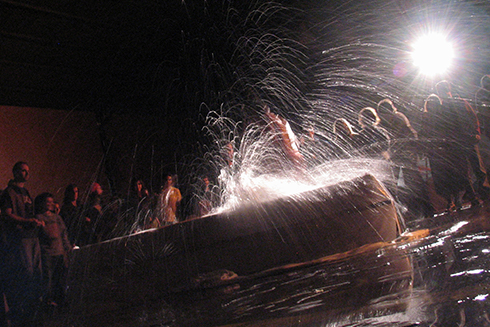
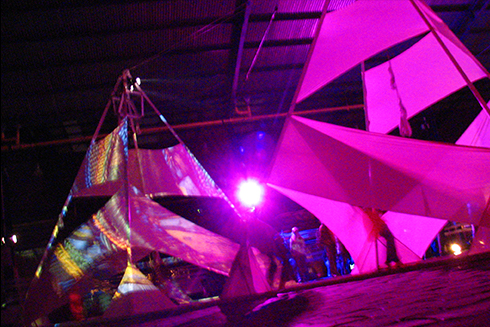
Espectáculo lúdico e inmersivo con pirámides de flotación en El Dorrego.

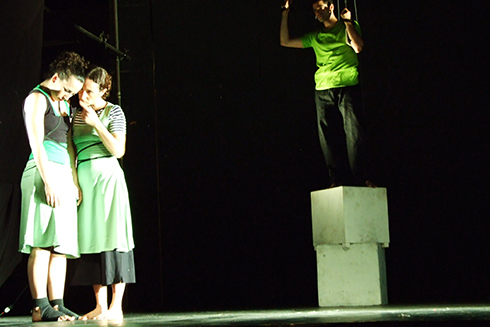
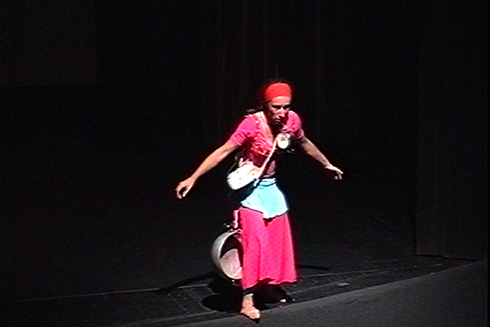
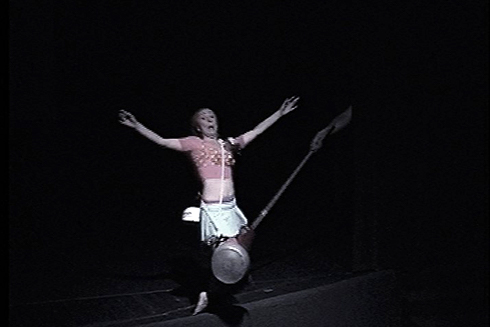
Estudio sobre el equilibrio, desequilibrio y la caída libre con humor e ironía.
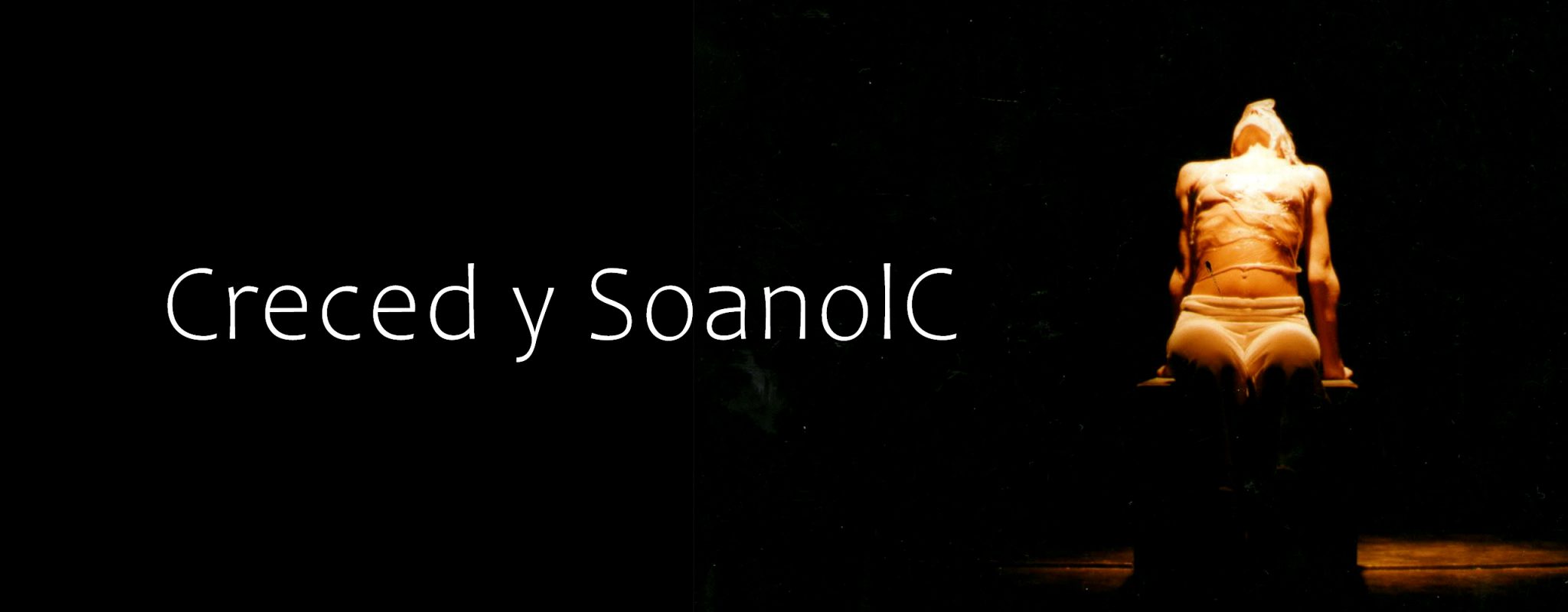
Reflexión sobre la clonación e identidad basada en textos de José Saramago.
Desde el año 2009 trabajo en la investigación del cruce entre los desarrollos tecnológicos y las Artes Escénicas. Su posible resignificación a partir de su implementación desplazada de sentidos y usos.
Trabajé con muchos artistas que investigan en el área sonora y visual. Entre ellos Fabián Kesler, Aníbal Zorrilla y Daniel Vacs.
En esta obra se ligan por primera vez dos espacios escénicos a través de cámaras web: uno en CABA y otro en la Provincia de Buenos Aires.
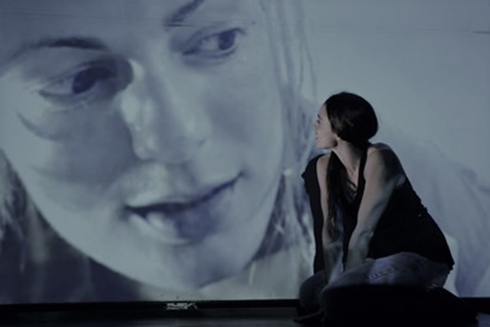
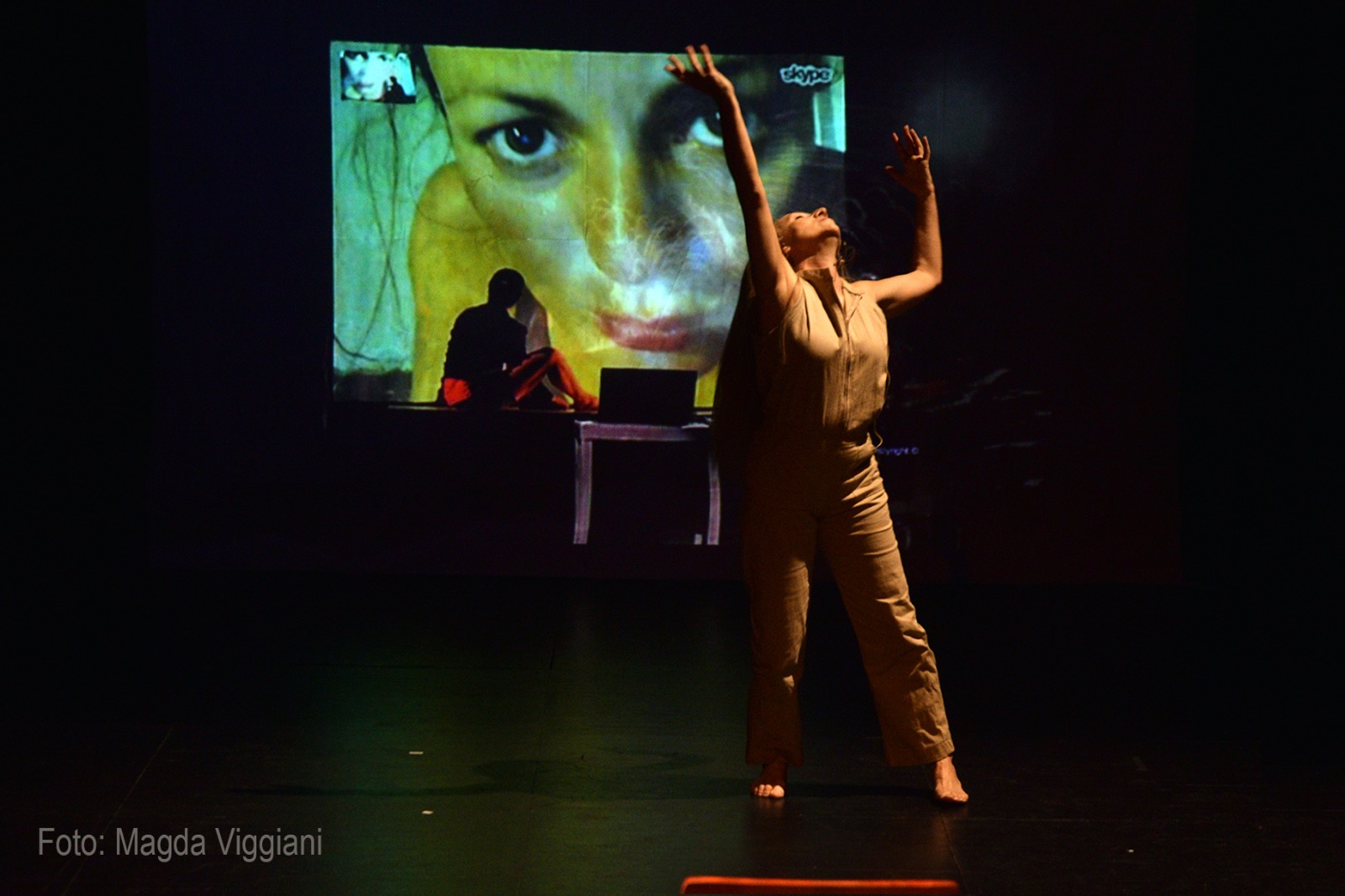
Es una indagación sobre la relación cuerpo-espacio (espacio real y virtual/ciberespacio) en dos escenas simultáneas. En el espacio, un cuerpo produce sonidos con su movimiento; el sonido crea voces; las voces, palabras; las palabras se hacen imagen humana. El sonido producido por el cuerpo de la intérprete sobre las superficies de contacto es captado, amplificado y procesado en vivo por un artista sonoro. La imagen es real en el espacio B. Alguien habla de la obra; alguien no entiende; alguien a través de la cámara irrumpe en el espacio A y pregunta... Alguien quizás le conteste.
Se conectaron dos espacios escénicos a través de internet entre Buenos Aires y Barcelona, realizando obras simultáneas conectadas donde los performers y el público interactuaban dentro de la obra. Constituyó la primera experiencia que se realizó en Argentina de estas características.
Liliana Tasso (Bs. As.) y Martin Nachbar (Berlín) junto a la Compañía de Danza de la UNA (Universidad Nacional de las Artes). Constituyó la segunda experiencia internacional con nodo en Argentina de interacción entre dos obras online en simultáneo.
Plantea como ejes las relaciones múltiples entre el mundo real y el mundo virtual: un cuerpo material, orgánico, atravesado por pulsiones, líquidos, tejidos, necesidades, pulsos y latidos en contraste con imágenes corporales vivas, vidas virtuales, despojadas de urgencias, livianas y escurridizas. ¿Una nueva corporalidad inmaterial y otras humanidades posibles?
Coreografías: Liliana Tasso y Mariah Maloney (EEUU) junto al artista sonoro Aníbal Zorrilla (INTAD).

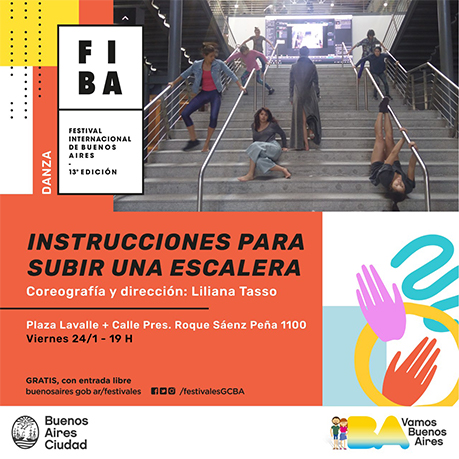
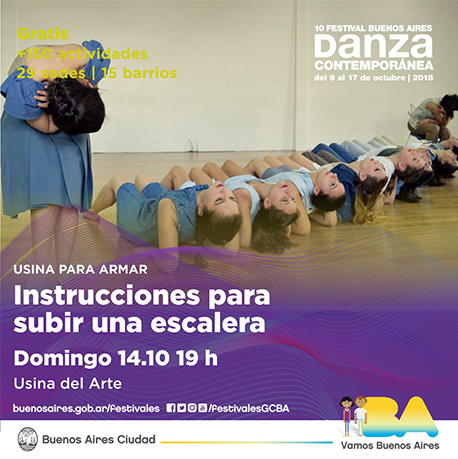
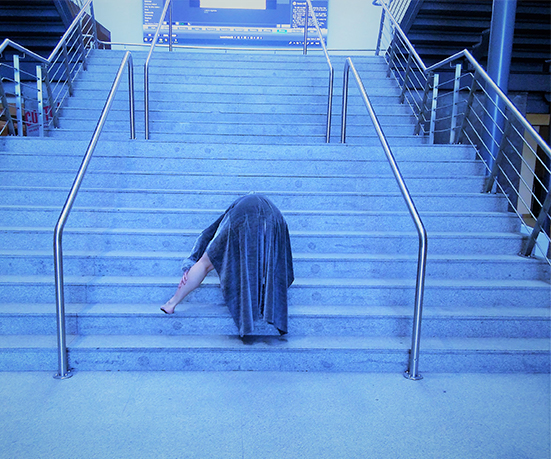
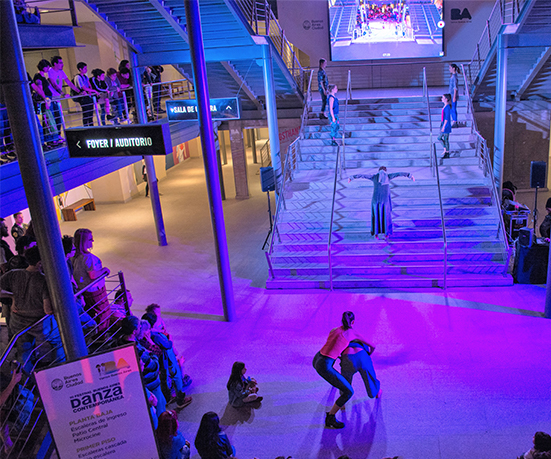
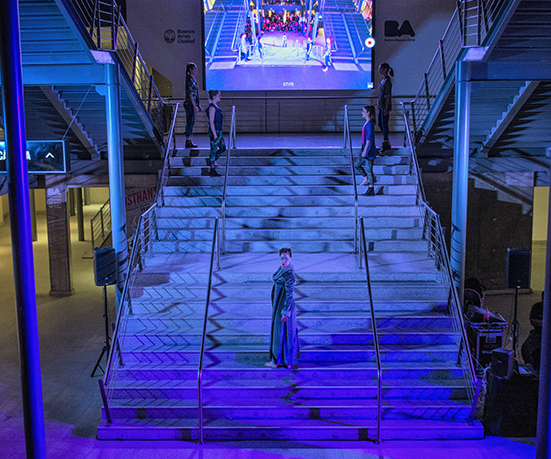
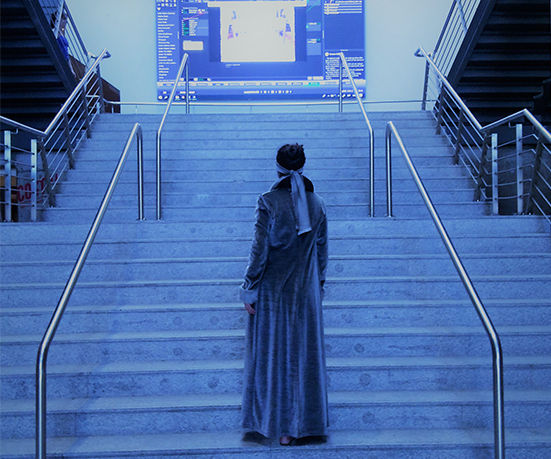
Intervención performática del espacio a partir del movimiento y del sonido. Tomamos la perspectiva deconstruccionista del texto de Cortázar "Instrucciones para subir una escalera", en el que tanto el objeto escalera como el cuerpo son abordados desde observaciones fragmentadas y extrañadas del sentido común. Subversión del cuerpo, del objeto y un universo sensorio-sonoro para los contactos entre ellos.
Dirección: Liliana Tasso.
Diseño de Dispositivo Interactivo: Fabián Kesler.
Interpretada por la Compañía CorporiCa. Estreno en el Festival de Danza Contemporánea de la Ciudad de Buenos Aires (2018) y funciones en FIBA 2020.
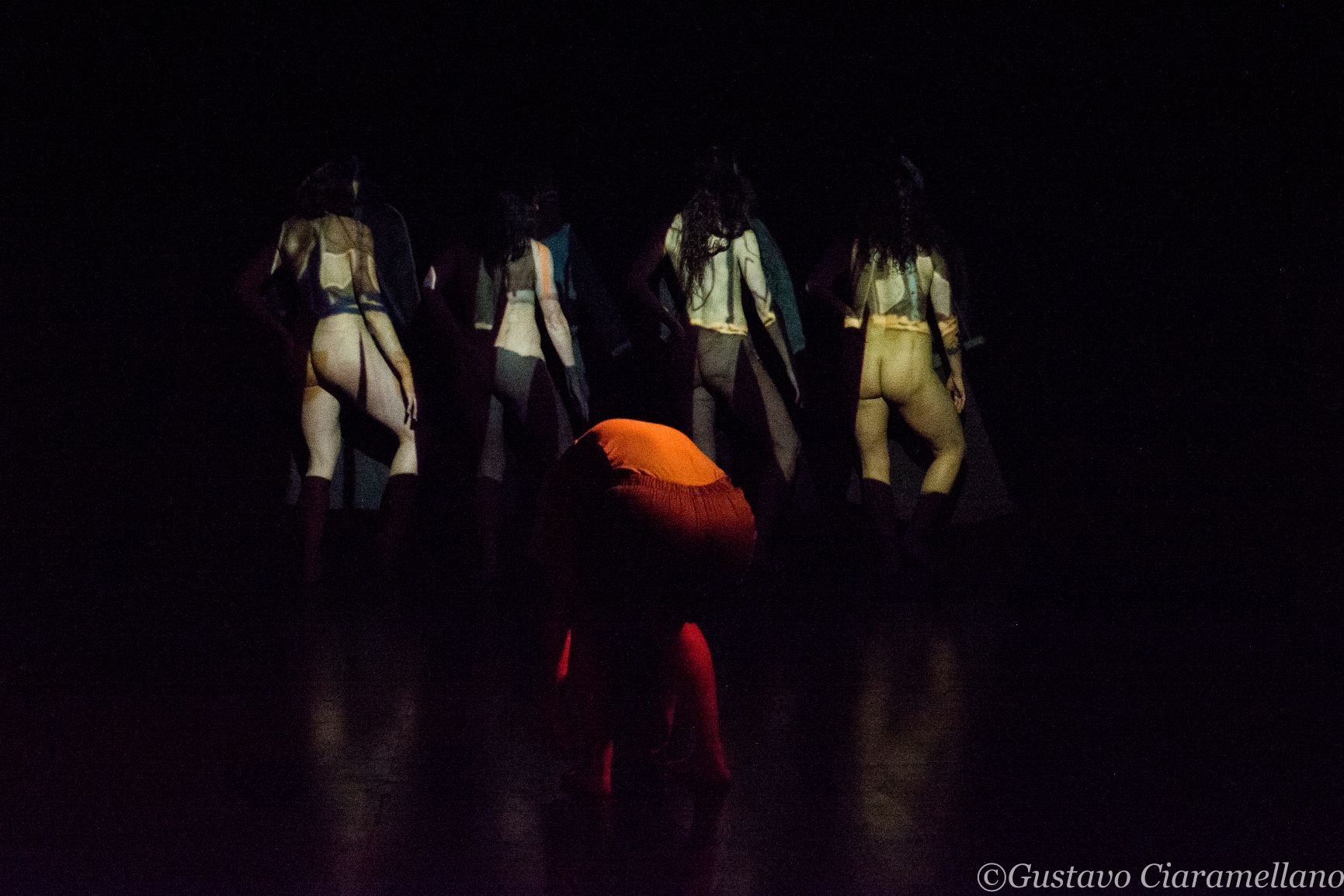
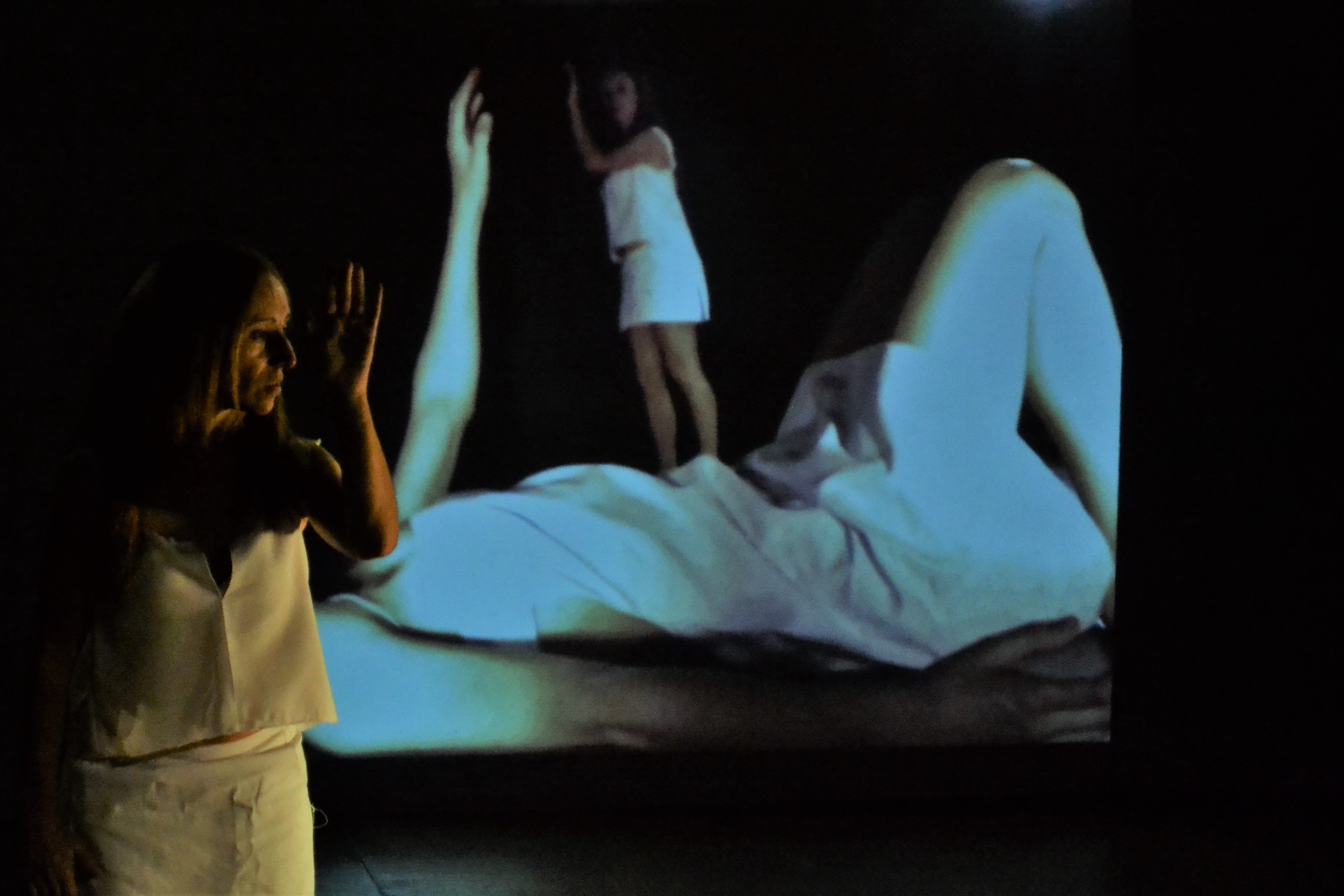
El cuerpo, lo femenino, la sexualidad y el poder: nuevas relaciones simbólicas y una explosión de sentido. Con edición de imagen en vivo se aborda la desnudez del cuerpo en sus tres dimensiones: real, simbólico e imaginario.
Programación ISADORA: Aníbal Zorrilla.
Música: Axel Krieger y Fabián Kesler.

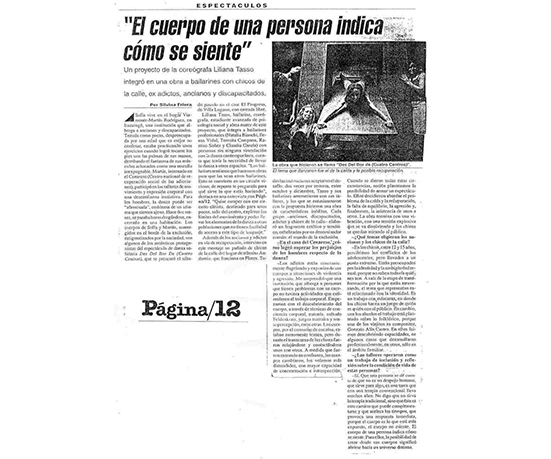
Desarrollaba mis estudios de psicología mientras desplegaba una carrera profesional en danza. Desde los conocimientos que iba adquiriendo iba pudiendo conceptualizar y comprender todo el alcance de la práctica de la danza. Esto me impulsó a buscar modos de vincular los saberes en una actividad que pudiera alcanzar a poblaciones socialmente muy afectadas. Así surgieron proyectos como DES DEL BOR DE o Proyecto Alternativo para Capacidades Diferentes.
A través del ejercicio creativo no solo se encuentra la satisfacción en la realización de expresiones cada vez más elaboradas, sino también el camino hacia el enriquecimiento que aportan las vivencias de la concentración, dedicación, disciplina, exploración, trabajo conjunto, voluntad y creación estética. Es así como la actividad artística no es solo un fin, sino también un medio para el logro de otros objetivos sociales e individuales.
El desarrollo artístico puede aportarle a la comunidad herramientas para el cambio de actitudes perjudiciales, tales como la violencia, la baja autoestima, el estrés, la frustración, hechos delictivos y adicciones. No obstante los beneficios que propone el desarrollo de la cultura, se observa una gran interferencia dentro de la comunidad que no facilita la vinculación entre las artes y las poblaciones más vulnerables.
La interacción entre artistas y poblaciones vulnerables, teniendo en cuenta la comunidad como sistema ecológico de interrelaciones, puede generar enriquecimiento en ambas direcciones. Las artes se ven nutridas con nuevas energías y representaciones no habituales, a la vez que encuentran obstáculos que obligan a nuevos procesos de búsqueda. El trabajo corporal también puede generar mejoras en personas con daños específicos, como discapacidades, adicciones y problemas de salud.
El arte propone así una posición activa, protagonista y actitudes organizativas saludables que pueden prevenir de muchos padecimientos sociales e individuales.
Es un proyecto de cruce entre la danza y la psicología, aplicando las herramientas del arte escénico a la problemática de las poblaciones vulnerables. Fue **declarado de interés** por la Municipalidad de General San Martín, el Ministerio de Cultura de la Nación y el Ministerio de Cultura de la Provincia de Buenos Aires. Además, fue seleccionado para participar del 18º Congreso de Investigación en Danza CID-UNESCO 2004 en Grecia.
Se desarrolló en instituciones públicas asistenciales como CENARESO, Hogar Martín Rodríguez Viamonte, hogares infantiles, hoteles populares del Gobierno de la Ciudad y barrios marginales del Conurbano Bonaerense.
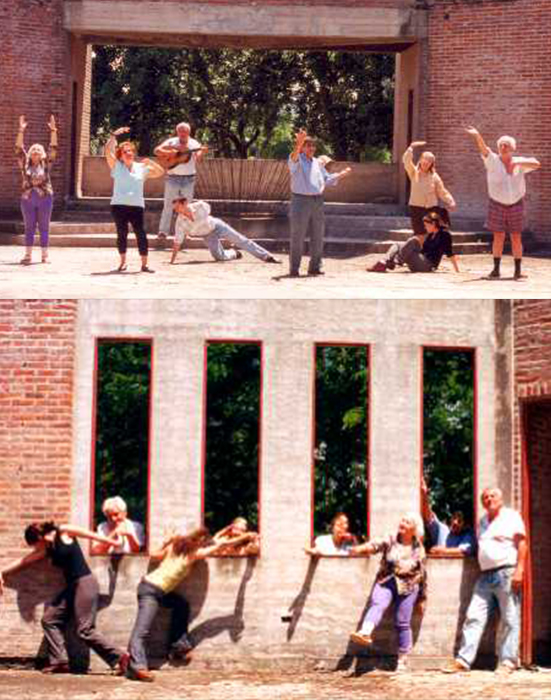
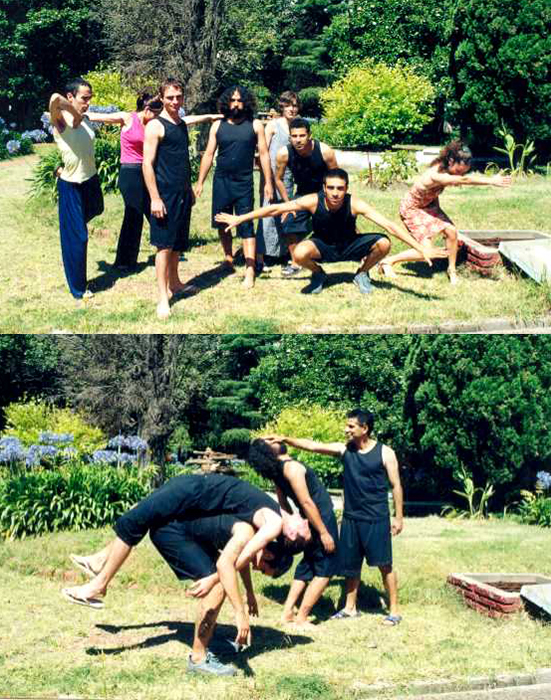
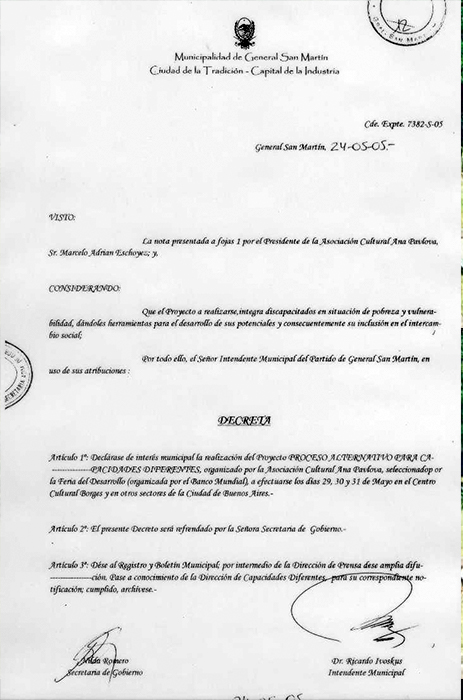
Decretado de **Interés Municipal** por la Municipalidad de General San Martín y seleccionado por el **Banco Mundial** para participar de la Feria del Desarrollo del Cono Sur.
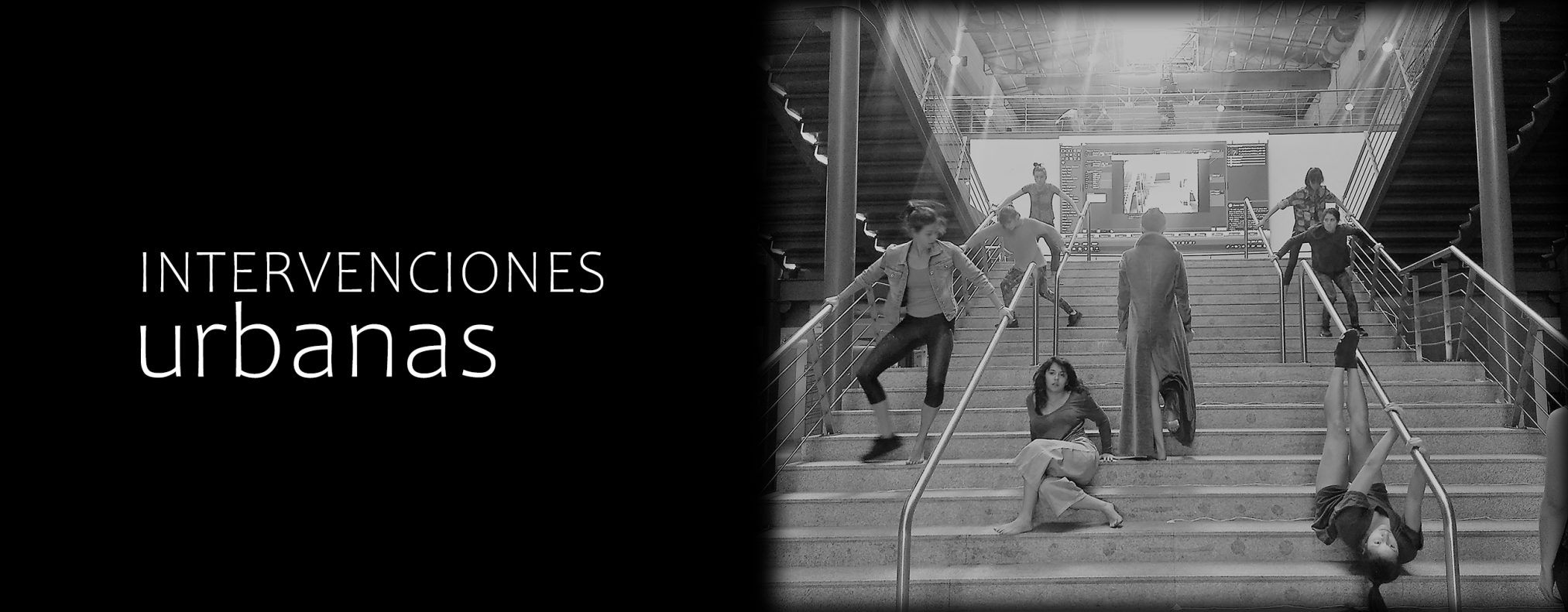
Las intervenciones urbanas coreográficas son otra manera de abordar el hecho escénico, vivenciar y crear arte en medio de personas y geografías cuyas intenciones están lejos del hecho artístico.
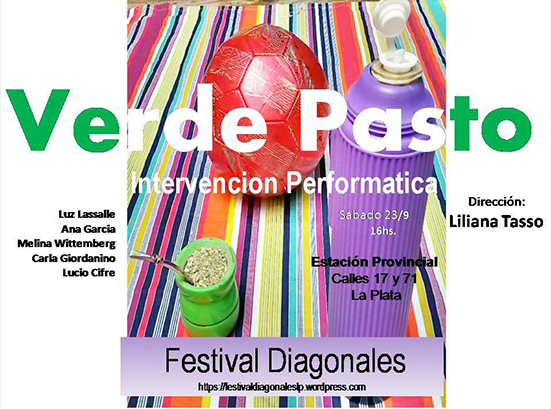
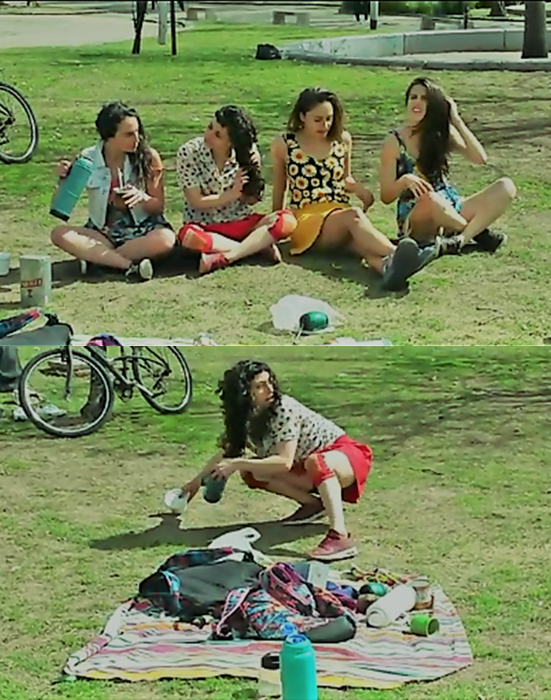
Las intervenciones pueden ser explícitas (mostrar desde el comienzo su aspecto escénico, como en Instrucciones para subir una escalera) o bien invisibles / no explícitas (como en el caso de Verde Pasto).
En las intervenciones invisibles, el grupo de artistas confundidos en el paisaje recrea situaciones cotidianas del entorno y las transforma en danza, variando dinámica, acentos, cualidades y desplazamientos espaciales. Transitan en la sutileza de un límite delicado entre la realidad y la ficción: se apela a lo verosímil pero se genera una extrañeza que moviliza los entornos, generando incertidumbres, miradas, imitaciones e increíbles respuestas espontáneas.
La intervención genera efectos como una gota de agua que al golpear la superficie expande arcos de movimiento. Los espacios se modifican y la realidad se reconfigura a partir de la pequeña extraña acción, develando el arte intrínseco de cada objeto, gesto y elemento cultural o natural.
Intervención Urbana Coreográfica
Es la recreación alterada de las vivencias sociales en un parque. Trabajamos el ritmo como elemento que posibilita distorsionar acciones cotidianas. Ese ritmo natural se “libera” de los códigos consensuados y crea otras significaciones.
Los puntos de tensión se trabajan coreográficamente desde la aceleración rítmica y el acento de las direcciones de desplazamientos del movimiento, cobrando un matiz de humor. Detenciones sorpresivas con pausas prolongadas, incremento sucesivo de la energía y utilización de movimientos ejecutados comúnmente en la cotidianeidad de un parque.
Intervención performática del espacio a partir del movimiento y el sonido
Se toma la perspectiva deconstruccionista del texto de Julio Cortázar "Instrucciones para subir una escalera", en el que tanto el objeto como el cuerpo son abordados desde observaciones fragmentadas y extrañadas del sentido común. Una subversión del objeto y del cuerpo: tanto la escalera como el cuerpo dejan de ser un medio para pasar a ser el foco de atención protagonista.
La escalera pasa a ser un universo de sentido sonoro. El artista sonoro Fabián Kesler trabaja incorporándole dispositivos sensores que, al contacto o cercanía del cuerpo de los intérpretes, emiten diferentes sonoridades programadas. Se incorpora el texto original de Cortázar a modo de frases con la propia voz procesada del escritor.
"Estreno en el Festival de Danza Contemporánea de la Ciudad de Buenos Aires (2018). Funciones en FIBA 2020."
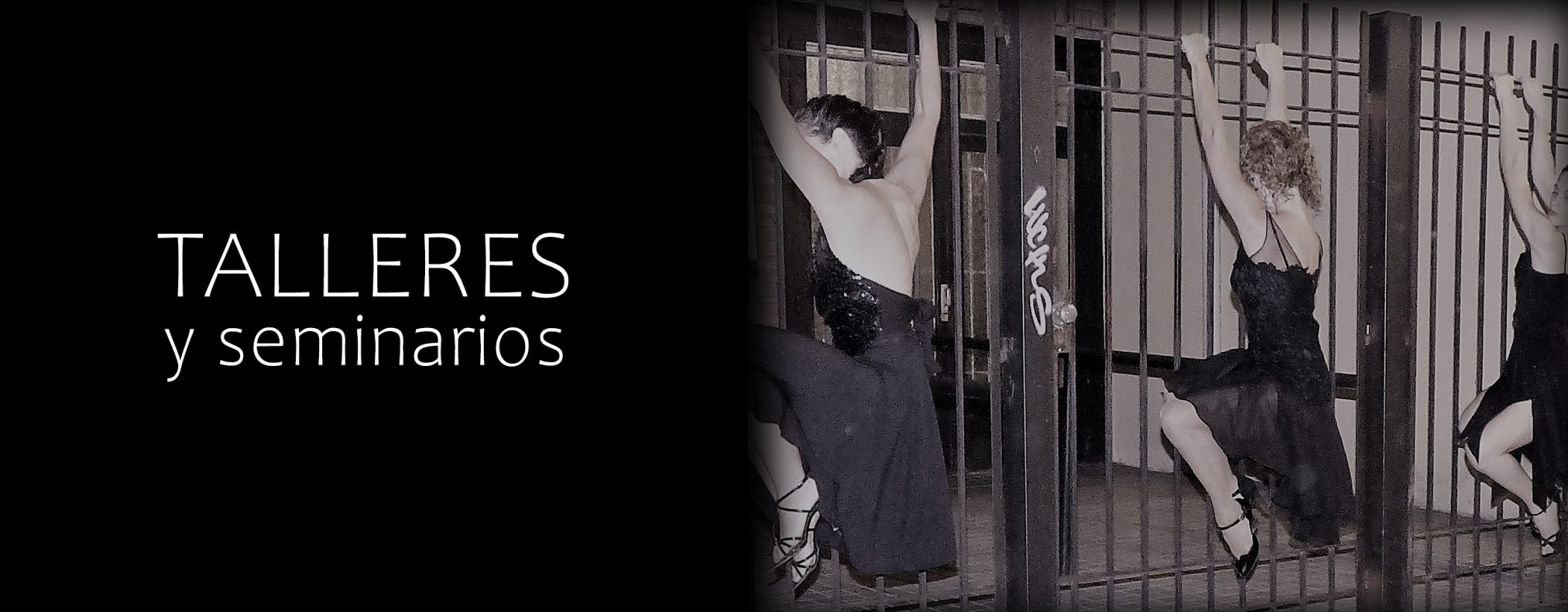

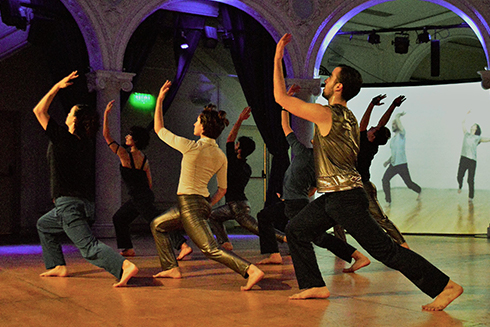
Clases regulares o seminarios intensivos en los que se trabaja con elementos de diversas técnicas de la danza contemporánea pero a partir del descubrimiento de la unidad cuerpo mente y sus cualidades, unidad tal que se sostiene en matrices de energía que son utilizadas para motorizar el movimiento y la expresión.
Se apoya básicamente en los conceptos del release pero se suman elementos tomados de diferentes técnicas de conciencia corporal como Feldenkrais y Alexander. Estudia y utiliza las articulaciones del cuerpo como focos motores contenedores de energía que según se trabaje puede modificar la cualidad móvil.
Las clases regulares tienen una duración de dos horas con un bloque de conciencia corporal y trabajo de piso, una parte de investigación en el movimiento propio y una parte coreográfica que busca la incorporación de todos los elementos desarrollados.
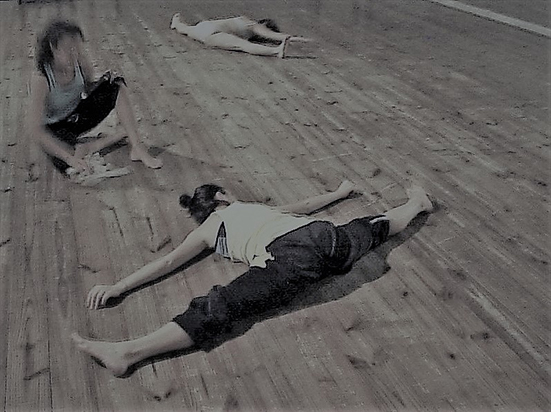
Basado en las enseñanzas de Moshé Feldenkrais
Eje teórico: Visión sistémica del ser (aspectos mentales, físicos y espirituales), sistema nervioso y sensopercepción, imagen corporal, postura y equilibrio dinámico, modificación de hábitos e impacto inconsciente, anatomía óseo-muscular de la respiración y autoconciencia.
Eje práctico: Ejercicios introspectivos y sencillos en piso con colchonetas o sillas enfocados en distintas regiones corporales.
Objetivos: Exploración propia para tomar conciencia sobre limitaciones, hábitos perjudiciales y reconfiguración de la propia imagen corporal.
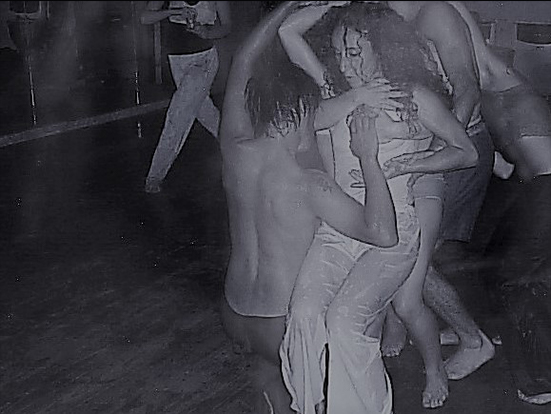
Aborda el proceso creativo y el acontecimiento escénico como la resultante dinámica del entrecruce de las subjetividades intervinientes (artistas entre sí y público) en un punto espaciotemporal situacional y no permanente.
Ejes conceptuales: Contextualidad (aquí y ahora), Teoría del Caos, Indagación del movimiento subjetivo (cuerpo institucionalizado, imaginario, sujeto del deseo, cuerpo-espacio energético), Intersubjetividad como disparador, patrones y estructuras escénicas, fractales, atractores, recursividad y replanteo del concepto de obra.
Se utilizan técnicas de improvisación, teatro físico (Lecoq, Peter Brook), conciencia corporal y creación propia.
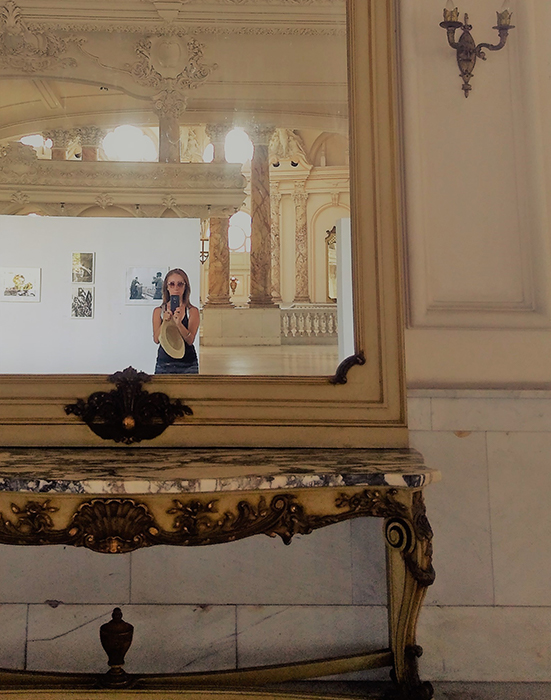
Las intervenciones urbanas coreográficas abordan el hecho escénico recreando situaciones cotidianas en entornos naturales o urbanos (parques, vía pública, transporte) y transformándolas en danza a través de variaciones de dinámicas, acentos y desplazamientos.
El taller consta de ejercicios para el desarrollo creativo a partir de propuestas contextuales (espacios físicos, ritmos, elementos naturales) aplicando técnicas de improvisación individual y grupal en cruce con la intersubjetividad.
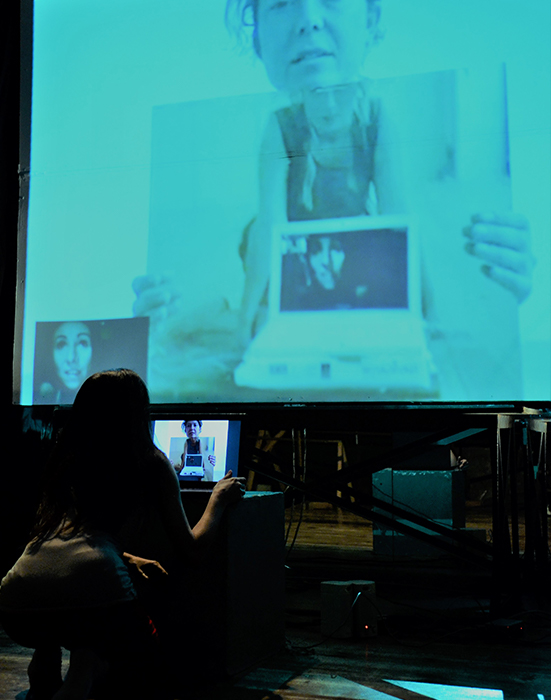
Aborda modos de crear piezas estéticas a partir del hibridaje resultante de hacer confluir el cuerpo y sus lenguajes de movimiento contemporáneo con distintos tipos de tecnologías posibles: tecnología interactiva, tecnología de la comunicación y tecnologías de la imagen.
Para cada propuesta se articula el taller con artistas específicos especializados en cada área tecnológica.
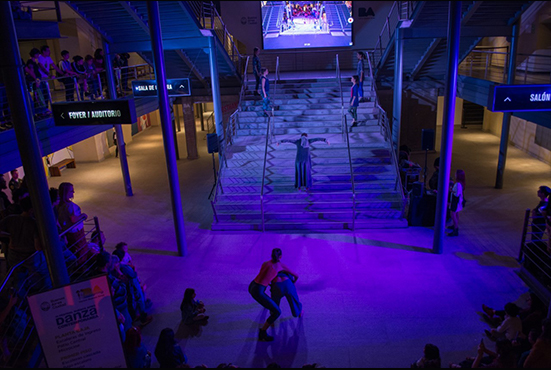
El Taller: Estrategias de improvisación y composición instantánea con teatro físico y técnicas somáticas sobre dos ejes: el cuerpo en relación a la escalera urbana y la tecnología interactiva.
La Performance: Intervención del espacio a partir del movimiento y el sonido. Basado en la perspectiva deconstruccionista de Instrucciones para subir una escalera de Julio Cortázar.
Dispositivo interactivo: Sensores sobre la escalera que al contacto o cercanía disparan sonoridades y textos editados en vivo por el artista sonoro Fabián Kesler.
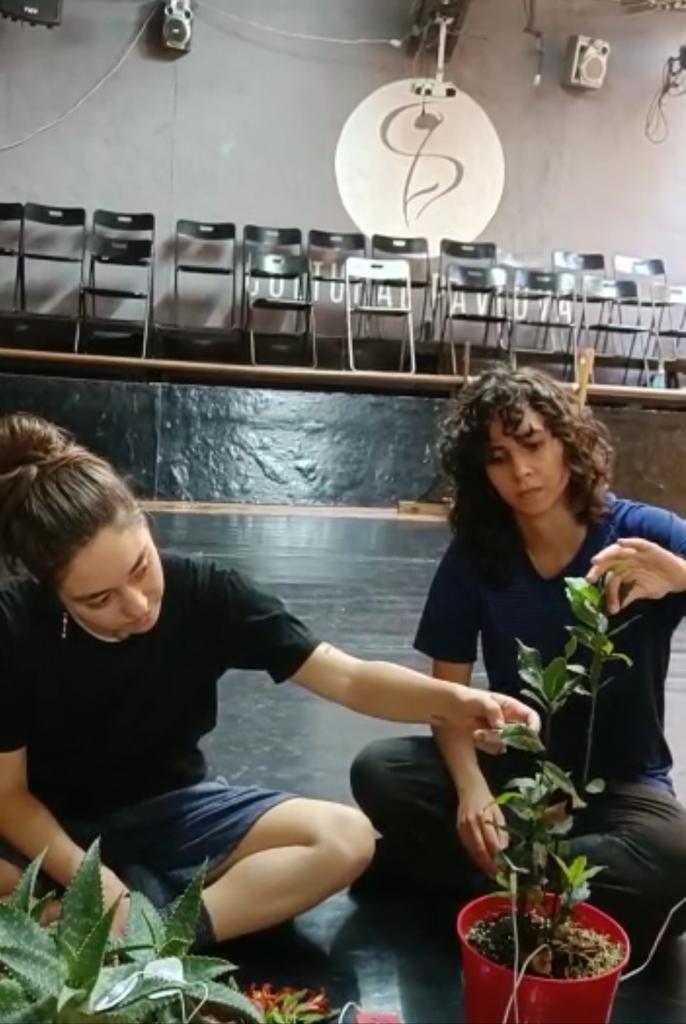
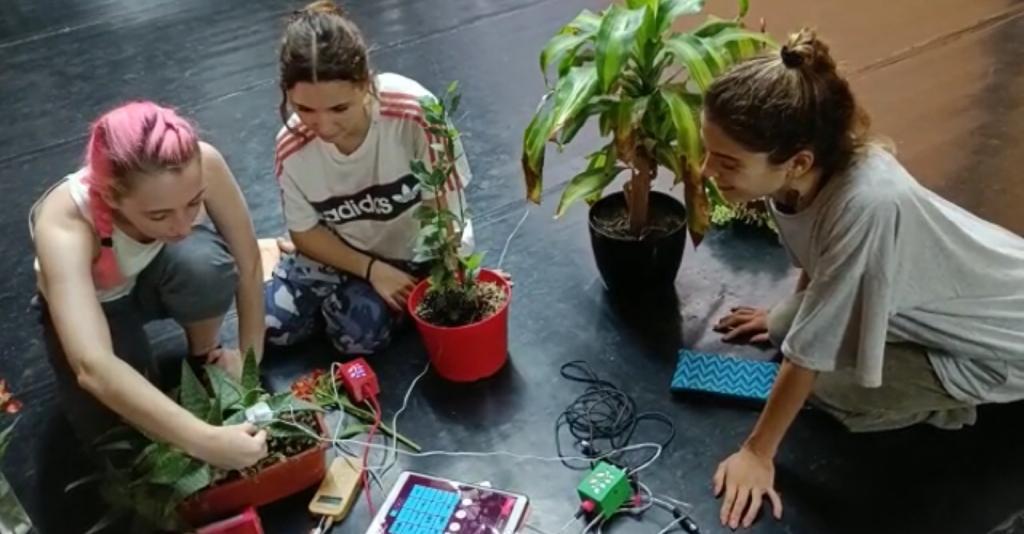
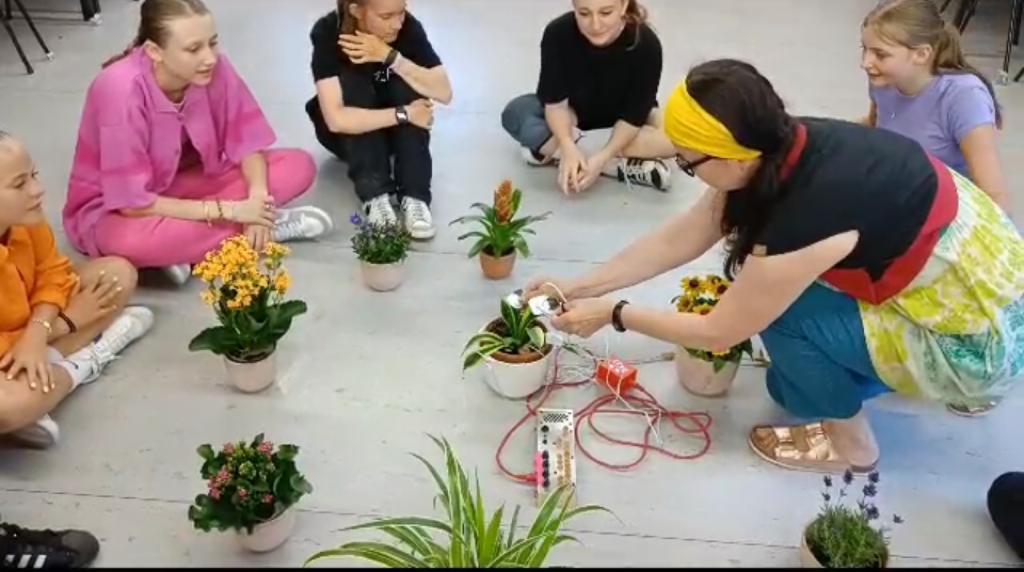
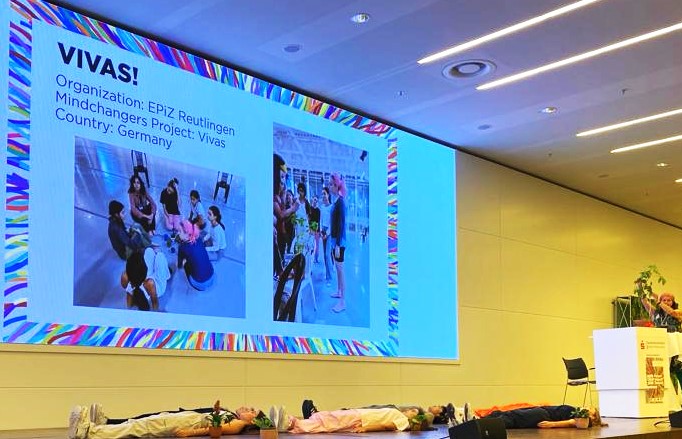
Arte del movimiento, arte sonoro, tecnología, sociología y ecología. Proyecto del programa MINDCHANGERS con apoyo de la Unión Europea.
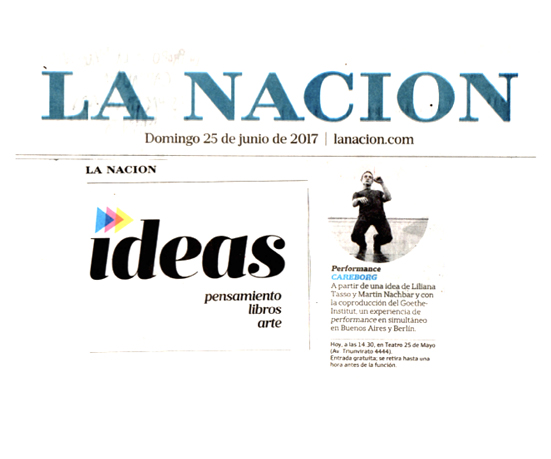
A partir de una idea de Liliana Tasso y Martin Nachbar y con la coproducción del Goethe-Institut, una experiencia de performance en simultáneo en Buenos Aires y Berlín.
Leer en PressReader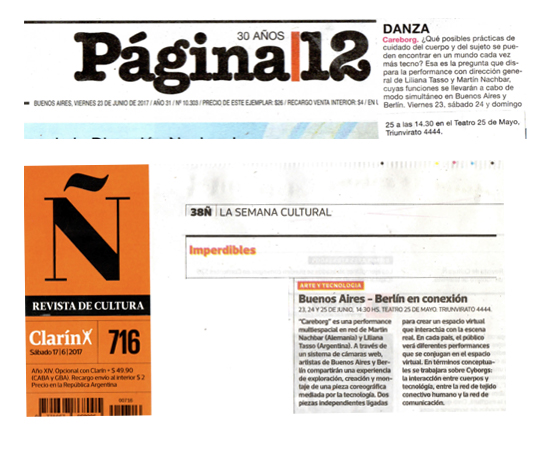
A través de un sistema de cámaras web, artistas de Buenos Aires y Berlín comparten una experiencia de exploración y creación e interactúan entre el espacio real y virtual.
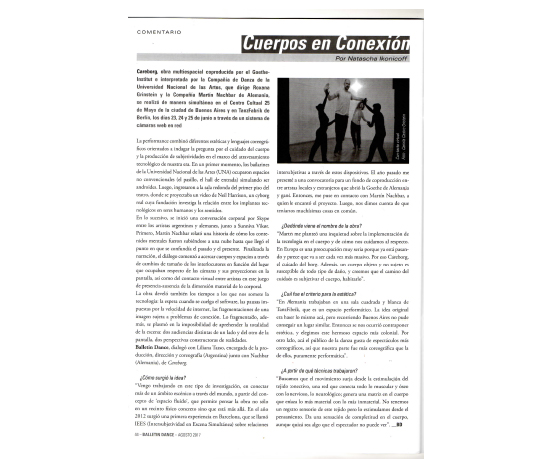
Entrevista sobre la creación de Careborg y el trabajo transdisciplinario mediado por tecnología entre el Centro Cultural 25 de Mayo y TanzFabrik de Berlín.
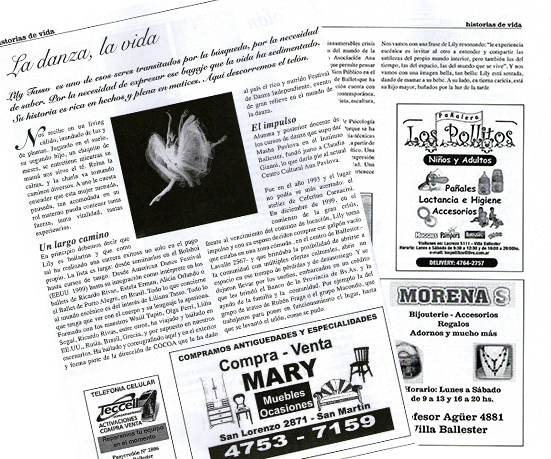
"Lily Tasso es uno de esos seres transitados por la búsqueda, por la necesidad de saber. Por la necesidad de expresar ese bagaje que la vida ha sedimentado."
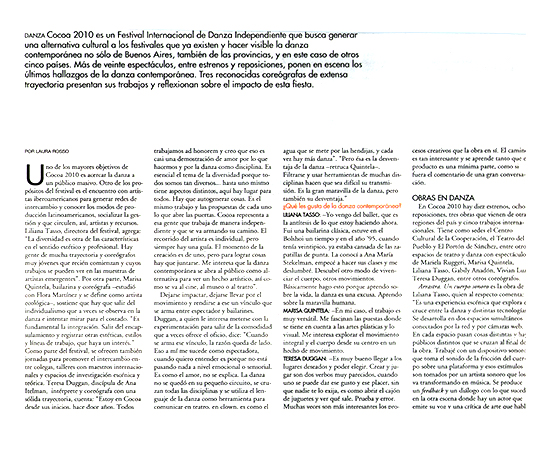
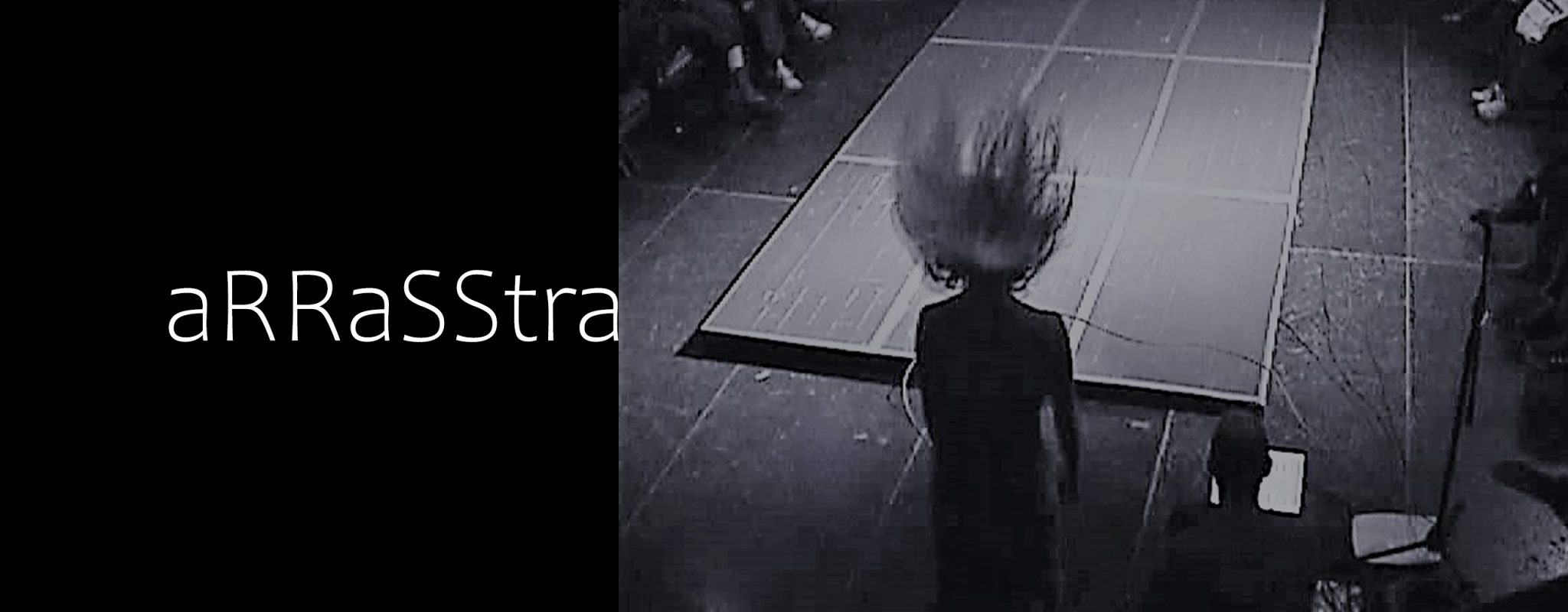
Reflexiones sobre el impacto de la danza contemporánea independiente y la presentación de la obra "Arrastra. Un cuerpo sonoro".
Ver Nota en La NaciónEn los años que llevo realizando producciones escénicas recibí apoyos de muchas instituciones Nacionales como Prodanza, Consejo Provincial de Teatro Independiente, Instituto Nacional del Teatro, Fondo Nacional de las Artes, Municipalidad de San Martín, Cultural Pavlova, Asociación de Coreógrafos Cocoa Datei, Universidad Nacional de las Artes (UNA), Universidad Nacional de San Martín (UNSAM), Centro Cultural de la Cooperación (CCC), CiDCom, DaMUS y Fundación Encuentros.
También gané concursos internacionales para coproducciones como IBERESCENA y el Goethe-Institut Alemania. Recibí el premio a la actividad otorgado por el INT en 2005 y 2006.











Podés ponerte en contacto directamente a través del formulario o seguir las novedades y producciones en las redes oficiales:
Facebook / Liliana Tasso Instagram / @liliana.tasso YouTube / Liliana Tasso Videos